Blog

  • Gallbladder or GERD? How to Tell the Difference and What to Do About It

    Gallbladder or GERD? How to Tell the Difference and What to Do About It

    Gallbladder pain and GERD can feel nearly identical, but their symptom patterns differ. Gallbladder pain typically appears in the upper right abdomen after fatty meals, is sharp or cramping, and may radiate to the right shoulder. GERD pain is more central (breastbone area), worsens when lying down, and often causes heartburn, regurgitation, and throat symptoms. See a physician to confirm.

    How we evaluated this topic

    This comparison draws on clinical criteria published by the American College of Gastroenterology (ACG), the American Gastroenterological Association (AGA), and peer-reviewed literature in Gastroenterology, Alimentary Pharmacology & Therapeutics, and JAMA Internal Medicine. We prioritized prospective cohort studies and clinical diagnostic criteria over patient forums and anecdotal symptom lists. Individual symptoms overlap significantly between conditions, and no symptom pattern fully replaces diagnostic testing; clinical imaging and endoscopy are the definitive tools referenced in these guidelines.

    How does gallbladder pain differ from GERD symptoms?

    Gallbladder disease—most commonly gallstones (cholelithiasis) or gallbladder inflammation (cholecystitis)—produces pain primarily in the right upper quadrant (RUQ) of the abdomen, typically peaking 15–60 minutes after a high-fat meal as bile is secreted to aid digestion and cannot drain normally. The Cleveland Clinic classifies this pattern as biliary colic: severe, episodic RUQ or epigastric pain lasting 1–5 hours, often radiating to the right shoulder blade. GERD, or gastroesophageal reflux disease, causes retrosternal (behind-the-breastbone) burning, regurgitation, hoarseness, and throat clearing, worsening when lying flat or bending forward. GERD is typically unrelated to fat content and responds to antacids or proton pump inhibitors. Gallbladder pain does not respond to antacids.

    Feature Gallbladder Disease GERD
    Primary pain location Right upper quadrant or epigastric Retrosternal (breastbone)
    Pain trigger Fatty or large meals Lying down, bending, any meal
    Pain character Cramping, sharp, episodic Burning, pressure, chronic
    Radiation Right shoulder blade Chest, throat, jaw
    Duration 1–5 hours per episode Minutes to hours, variable
    Relief with antacids No Partial to full
    Associated symptoms Nausea, vomiting after fatty foods Regurgitation, hoarseness, cough
    Diagnostic test Abdominal ultrasound Upper endoscopy / pH monitoring

    What symptoms suggest gallbladder involvement rather than acid reflux?

    Several clinical red flags increase the probability of gallbladder disease over GERD. Murphy’s sign—tenderness when a physician presses the RUQ during deep inspiration—is a classic physical exam finding for acute cholecystitis. Fever accompanying upper abdominal pain points toward cholecystitis or ascending cholangitis (bile duct infection) rather than GERD. A 2021 review in JAMA Internal Medicine noted that nausea and vomiting directly following fatty meals with RUQ localization carries high specificity for biliary pathology. Jaundice (yellowing of skin or eyes), pale stools, and dark urine indicate bile duct obstruction and require urgent evaluation. GERD does not cause these systemic features. Importantly, both conditions can coexist—population studies estimate GERD prevalence is moderately elevated in patients with gallstone disease.

    • Murphy’s sign: RUQ tenderness on deep inspiration → cholecystitis
    • Fever + upper abdominal pain → biliary infection, not GERD
    • Jaundice / dark urine / pale stools → bile duct obstruction (urgent)
    • Fatty meal nausea + RUQ pain: high specificity for gallbladder origin

    What diagnostic tests differentiate the two conditions?

    Differentiating gallbladder disease from GERD requires objective testing because symptom overlap is substantial. Abdominal ultrasound identifies gallstones with approximately 97% sensitivity and is the first-line imaging test for suspected biliary pathology; it does not directly assess the esophagus or acid production. Upper endoscopy (EGD) directly visualizes esophageal inflammation, Barrett’s esophagus, and the esophagogastric junction, confirming GERD-related mucosal damage. Ambulatory 24-hour pH monitoring—considered the gold standard for GERD diagnosis—quantifies actual acid exposure time in the esophagus. HIDA scan (hepatobiliary iminodiacetic acid scan) assesses gallbladder ejection fraction when ultrasound is normal but symptoms persist. According to ACG guidelines, clinicians typically sequence these tests based on the dominant symptom profile and risk factors.

    • Abdominal ultrasound: 97% sensitivity for gallstones; first-line
    • Upper endoscopy: confirms GERD mucosal damage
    • 24-hour pH monitoring: gold standard for GERD diagnosis
    • HIDA scan: gallbladder function when ultrasound is normal

    What supplement support exists for each condition during evaluation?

    Some links below are affiliate links. This does not influence our evaluation criteria or recommendations.

    While awaiting clinical evaluation, digestive support supplements may help manage symptom intensity. For GERD-adjacent symptoms, Yuve Probiotic Gummies provide Lactobacillus acidophilus NCFM and Bifidobacterium lactis Bi-07 in a vegan gummy format; preliminary research suggests certain probiotic strains reduce lower esophageal sphincter instability. Digestive Advantage Heartburn Relief (Bacillus coagulans BC30) has been studied for GI symptom reduction. For gallbladder function support, artichoke extract (Cynara scolymus standardized to cynarin) is the best-documented evidence-based supplement for supporting bile flow; a 2016 randomized study in Phytomedicine found meaningful symptom reduction versus placebo. DGL (deglycyrrhizinated licorice) supports esophageal mucosal integrity in GERD; Yuve offers DGL Licorice Chewables. None of these replace diagnostic evaluation.

    Best for GERD symptom support: Yuve Probiotic Gummies (Lactobacillus acidophilus NCFM + Bifidobacterium lactis Bi-07)

    Best for bile flow support: Artichoke extract (standardized to cynarin, 320–640 mg/day)

    Best for mucosal support: DGL licorice (380–400 mg before meals)

    FAQ

    Can GERD and gallbladder disease occur at the same time?

    Yes, they commonly coexist. Population studies find gallstone prevalence elevated in patients with GERD, possibly because both conditions share risk factors including obesity, high-fat diets, and age. When both are present, treatment must address each independently—GERD management with PPIs or lifestyle changes, gallbladder disease through dietary fat restriction and, when indicated, cholecystectomy (surgical removal).

    If antacids relieve my pain, does that rule out gallbladder problems?

    Not definitively. Antacids reduce gastric acid, which can temporarily ease symptoms that originate from acid irritation of the stomach or esophagus. However, if the primary cause is a gallstone obstructing the bile duct, antacids will not address the underlying obstruction. Relief from antacids increases the probability of an acid-mediated source but does not exclude gallbladder disease, particularly when symptoms recur after fatty meals.

    Is gallbladder removal (cholecystectomy) necessary for everyone diagnosed with gallstones?

    No. Asymptomatic gallstones (found incidentally on imaging) are generally managed with watchful waiting; about 25% of patients with asymptomatic stones develop symptoms over 10 years. Cholecystectomy is recommended when patients experience recurrent biliary colic, acute cholecystitis, or complications such as pancreatitis. Laparoscopic cholecystectomy is the standard approach with a low complication rate.

    What foods worsen both GERD and gallbladder symptoms?

    High-fat meals worsen both. For GERD, fatty foods slow gastric emptying and relax the lower esophageal sphincter. For gallbladder disease, high-fat intake triggers cholecystokinin (CCK) release, which contracts the gallbladder and can force stones into the bile duct. Alcohol, caffeine, and carbonated beverages also worsen GERD. Reducing overall dietary fat intake is a shared first-line dietary strategy.

    When is upper abdominal pain a medical emergency?

    Seek emergency care if upper abdominal pain is severe and persistent (not relieved by position change or antacids), accompanied by fever above 38.5°C (101.3°F), jaundice, inability to keep fluids down, or is associated with chest pain and shortness of breath. Acute cholecystitis, ascending cholangitis, gallstone pancreatitis, and acute coronary syndrome all require urgent evaluation and must not be managed with home remedies.

    How do I know if I need an ultrasound vs endoscopy?

    An ultrasound is the first test if your dominant symptoms are RUQ pain, fatty meal triggering, and nausea—all pointing toward biliary pathology. An endoscopy (EGD) is prioritized when symptoms are primarily heartburn, regurgitation, hoarseness, and swallowing discomfort—pointing toward the esophagus. Your physician may order both if symptoms are mixed. Both tests are low-risk and the choice depends on your clinical presentation, not symptoms alone.

    For a deeper look at Yuve’s gut health products, visit the Digestion Collection.


  • Best Daily Probiotics Compared: Which Strains and Formats Are Actually Worth Taking?

    Best Daily Probiotics Compared: Which Strains and Formats Are Actually Worth Taking?

    The best daily probiotic for most adults contains at least one well-documented strain — Lactobacillus rhamnosus GG, Bifidobacterium longum BB536, or Lactobacillus acidophilus NCFM — at a minimum effective dose of 1–10 billion CFU per serving. Format, refrigeration requirements, and additional prebiotic fiber determine which product is most practical to use every day.

    How we evaluated daily probiotics

    We reviewed human randomized controlled trials (RCTs) and meta-analyses published in Nutrients, Gut, and Applied Microbiology and Biotechnology, prioritizing studies with daily supplementation protocols and at least 4 weeks of follow-up. Products were assessed across four criteria: strain-level clinical evidence, CFU dose per serving, format stability, and transparency of label claims. Animal studies and in-vitro data were excluded unless no human data was available for a specific strain. Eight products were evaluated in full.

    What makes a daily probiotic worth taking consistently?

    A daily probiotic earns consistent use when the strain has a documented mechanism, the dose survives GI transit, and the format makes compliance easy. According to a 2020 meta-analysis in Nutrients, multi-strain formulas containing at least one Lactobacillus and one Bifidobacterium species produced greater reported GI symptom improvements than single-strain products in most study subgroups. Effective CFU doses ranged from 1 billion to 100 billion per study, though most clinical benefit was observed at 5–25 billion CFU per day. Enteric coating or acid-resistant capsule technology measurably increases the proportion of live bacteria reaching the colon, which matters more at lower CFU doses.

    • Multi-strain formulas with one Lactobacillus + one Bifidobacterium species showed stronger results in meta-analyses
    • 5–25 billion CFU per day is the evidence-based dose range for most daily use cases
    • Enteric coating improves colonization reach at lower CFU doses

    How do the top daily probiotics compare?

    Product Key Strains CFU per Serving Format Refrigeration Best For
    Culturelle Daily Probiotic L. rhamnosus GG (LGG) 10 billion Capsule Not required Antibiotic-associated diarrhea prevention
    Garden of Life RAW Probiotics L. acidophilus, B. longum, B. bifidum 85 billion Capsule Required Higher-dose gut restoration
    Align Probiotic B. longum 35624 1 billion Capsule Not required IBS symptom support
    Yuve Probiotic Gummies L. acidophilus, B. lactis 2–4 billion Gummy Not required Daily maintenance, format compliance
    Florastor Daily Saccharomyces boulardii CNCM I-745 250mg (5 billion) Capsule Not required Traveler’s diarrhea, antibiotic use
    Renew Life Ultimate Flora L. acidophilus, B. lactis, B. longum 50 billion Capsule Required Higher-dose maintenance

    Which daily probiotic strains have the strongest clinical support?

    Comparison chart of daily probiotic CFU doses across popular products from 1 billion to 85 billion CFU
    Comparison chart of daily probiotic CFU doses across popular products from 1 billion to 85 billion CFU

    Three strains dominate the published human trial literature for daily supplementation. Lactobacillus rhamnosus GG (LGG), found in Culturelle, has over 800 peer-reviewed studies and the broadest evidence base, including a 2018 Cochrane review supporting its use during antibiotic therapy. Bifidobacterium longum 35624, the strain in Align, was validated in a 2006 RCT in The American Journal of Gastroenterology for IBS symptom reduction across a 4-week intervention. Saccharomyces boulardii CNCM I-745 (Florastor) is the most studied yeast-based probiotic, supported by a 2015 meta-analysis in the Cochrane Database confirming reduction in antibiotic-associated diarrhea risk.

    • Best for antibiotic-associated diarrhea: L. rhamnosus GG (Culturelle)
    • Best for IBS symptom support: B. longum 35624 (Align)
    • Best yeast-based option: S. boulardii CNCM I-745 (Florastor)

    Which products meet these criteria?

    Some links below may be affiliate links. This does not influence our evaluation criteria or recommendations.

    Culturelle Daily Probiotic — Best choice when LGG’s evidence base is the priority or when a simple shelf-stable capsule is needed for travel. No refrigeration required. Available widely online and in-store.

    Align Probiotic — Best choice for people whose primary goal is IBS symptom management. Contains only B. longum 35624, which has the most specific clinical validation for gut comfort in IBS populations.

    Yuve Probiotic Gummies — Best choice when format compliance is the main barrier. Gummy format with L. acidophilus and B. lactis at 2–4 billion CFU, vegan, no refrigeration needed. Fits naturally into a morning routine. From the Yuve digestion collection, which also includes prebiotic fiber gummies for combination gut support.

    Garden of Life RAW Probiotics — Best choice for users seeking a higher CFU dose with a multi-strain formula including Lactobacillus plantarum, B. bifidum, and L. casei. Requires refrigeration.

    Florastor Daily — Best choice for frequent travelers or anyone on repeated antibiotic courses, given S. boulardii’s specific evidence base for these scenarios.

    Frequently Asked Questions

    What is the best time of day to take a daily probiotic?

    Research in Beneficial Microbes (2011) found probiotic survival improved when supplements were taken within 30 minutes of a meal, not fasting. Morning with breakfast or evening with dinner are both acceptable. Consistency of timing matters more than the exact hour.

    Do daily probiotics work for everyone?

    Not universally. A 2018 study in Cell31102-4) found significant variation in gut colonization after probiotic supplementation, with some individuals classified as “resisters” who showed no measurable strain colonization. People with diverse existing gut microbiomes showed less measurable response than those with lower baseline diversity.

    Can you take a probiotic every day long-term?

    For healthy adults, daily probiotic use is considered safe by ISAPP’s position statement. Long-term use at standard CFU doses (1–25 billion) is not associated with adverse effects in the reviewed literature. Immunocompromised individuals should consult a physician before using high-dose or multi-strain formulas.

    What’s the difference between a probiotic and a prebiotic?

    Probiotics are live microorganisms that add to the gut bacterial population when consumed in adequate amounts, per the WHO definition. Prebiotics are non-digestible food components (typically fibers such as inulin or fructooligosaccharides) that selectively feed beneficial gut bacteria already present. Taking both together is referred to as a “synbiotic” approach; a 2021 meta-analysis in Nutrients found synbiotic supplementation produced greater microbiome diversity improvements than probiotics alone.

    Are gummy probiotics as effective as capsules?

    Gummy probiotics can be effective if they deliver viable CFU counts after the manufacturing, shelf storage, and GI acid exposure processes. The main tradeoff is that gummies typically offer lower CFU doses (2–5 billion vs 10–50 billion in capsules) and the sugar-based matrix may affect survival differently from enteric-coated capsules. For daily maintenance at lower doses, the format difference is less clinically significant than for high-dose therapeutic use.

    Should you take a probiotic with or without food?

    With food is preferred. Research in Beneficial Microbes found survival of bacteria through gastric acid improved meaningfully when probiotics were consumed alongside a meal, because food buffers stomach acid and reduces the pH exposure time during digestion.

    How long does it take for a daily probiotic to work?

    Clinical trials typically show measurable effects at 2–4 weeks of daily use. A 2020 review in Nutrients found most IBS symptom improvement studies showed significant outcomes at 4–8 weeks. Some users notice changes in regularity or bloating within 7–14 days, but these timelines vary significantly by strain, dose, and individual gut baseline.

  • Best Probiotic for Bloating in Women Over 40: Strains, Formats, and Evidence

    Best Probiotic for Bloating in Women Over 40: Strains, Formats, and Evidence

    What is the best probiotic for bloating, especially for women over 40?

    The most evidence-backed probiotic strains for bloating are Lactobacillus acidophilus NCFM, Bifidobacterium lactis Bi-07, and Bifidobacterium longum 35624. For women over 40, formulas that include Bifidobacterium species are particularly relevant because Bifidobacterium populations decline with age. Gummy formats exist and are viable if CFU counts are adequate (1–10 billion per dose).

    How we evaluated probiotics for bloating

    We reviewed human randomized controlled trials (RCTs) published in peer-reviewed journals including Gut, Alimentary Pharmacology & Therapeutics, and Nutrients, prioritizing double-blind, placebo-controlled designs. We excluded animal studies and anecdote-only sources. Products were assessed on strain specificity, CFU count at expiry date (not manufacture), shelf stability, and third-party testing. We did not accept manufacturer-funded studies as sole evidence for efficacy claims.

    Why do women over 40 experience more bloating?

    Bloating frequency increases in women during perimenopause and menopause due to estrogen’s role in gut motility regulation. Estrogen receptors exist throughout the gastrointestinal tract; declining estrogen levels slow intestinal transit, increasing fermentation time and gas accumulation. A 2019 review in Maturitas found that GI symptoms—including bloating, constipation, and flatulence—increase significantly in the perimenopause transition. Separately, Bifidobacterium populations naturally decrease with age, beginning as early as the mid-30s. Bifidobacterium species are major consumers of fermentable carbohydrates (FODMAPs); lower counts mean more substrate reaches sulfur-reducing bacteria, increasing gas production. This two-factor model—hormonal motility changes plus microbial decline—explains why bloating severity often escalates in mid-life women regardless of dietary changes.

    What should you look for in a probiotic for bloating?

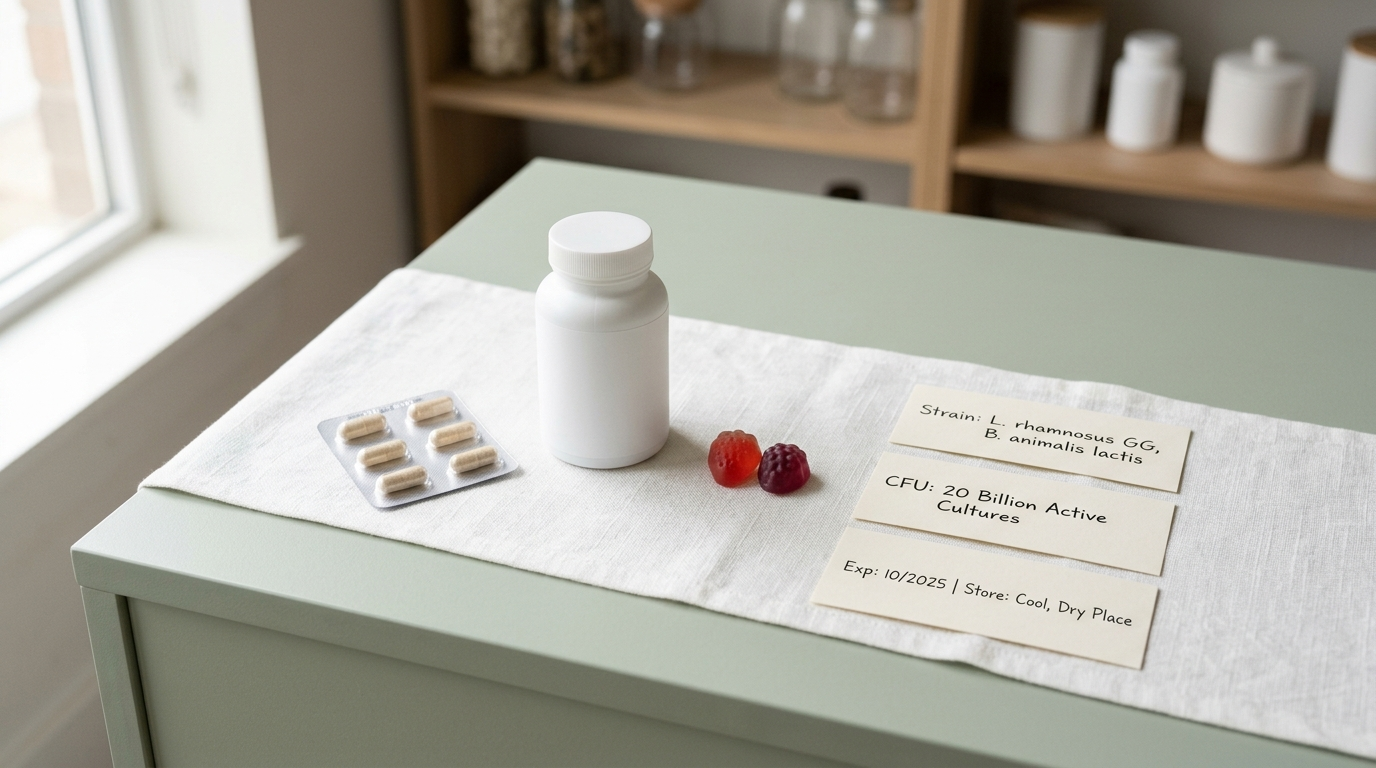
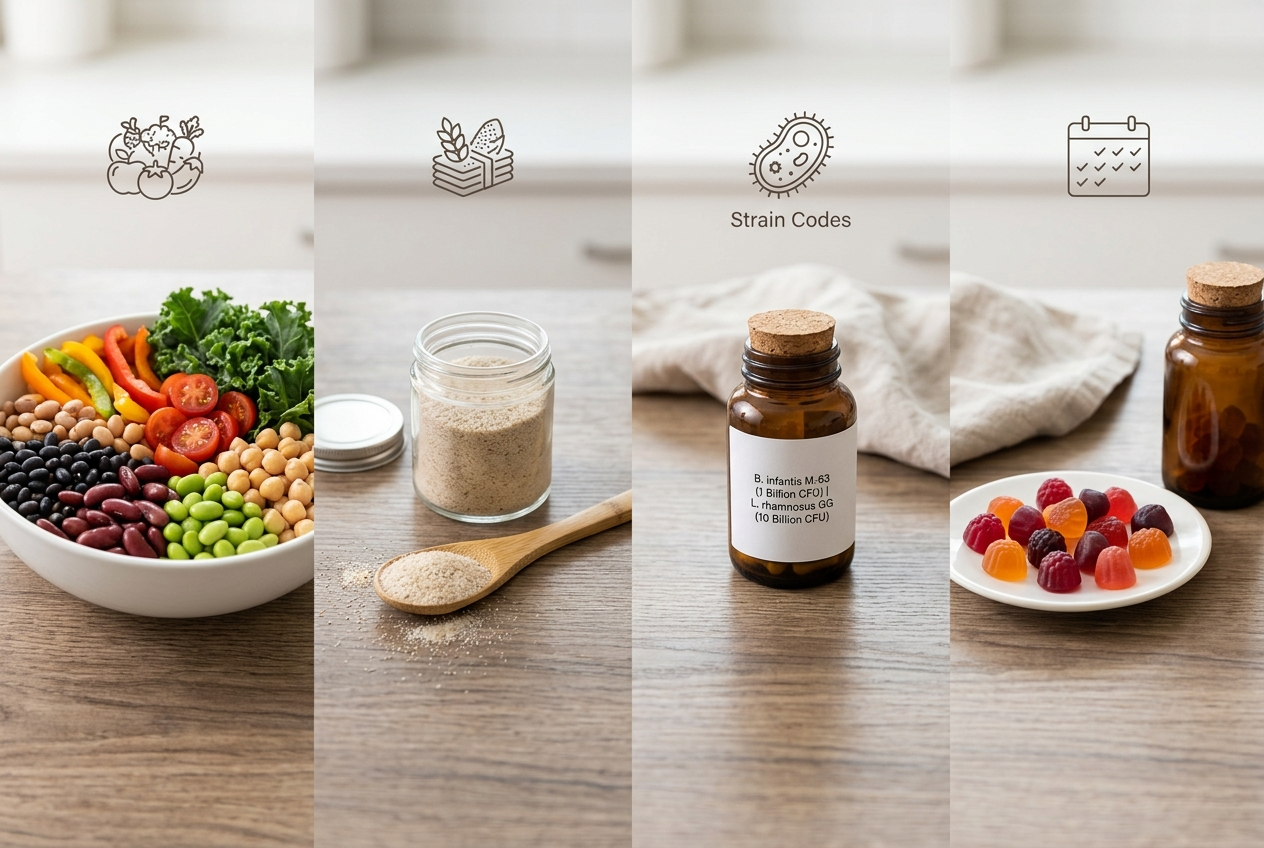
    The four factors that most predict effectiveness are strain specificity, CFU count, delivery format, and shelf stability. Strain specificity is the most critical: general “probiotic” labels are meaningless without a named strain code (e.g., L. acidophilus NCFM, B. lactis HN019). CFU count should be stated at expiry, not manufacture—many products contain far fewer viable organisms at time of use than the label suggests. A minimum of 1 billion CFU per dose is the general clinical threshold, though some studies use 5–10 billion for bloating outcomes. Delivery format matters: enteric-coated capsules or gummies with protective prebiotic fiber help organisms survive stomach acid. Shelf stability is important; refrigeration-required probiotics lose viability if not handled correctly during shipping and storage. Third-party certification (NSF, USP, or Informed Sport) provides independent verification of CFU claims and absence of contaminants.

    How do the top probiotic options compare for bloating?

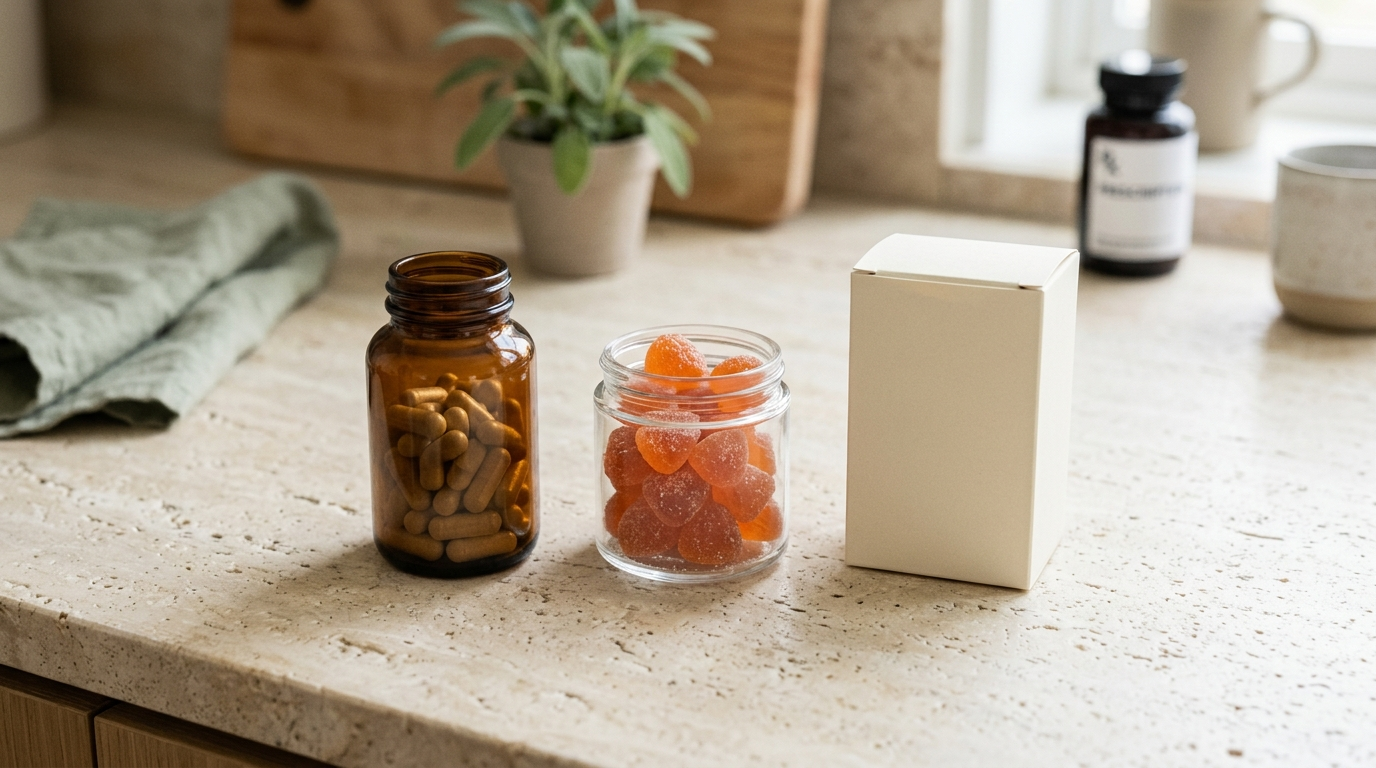
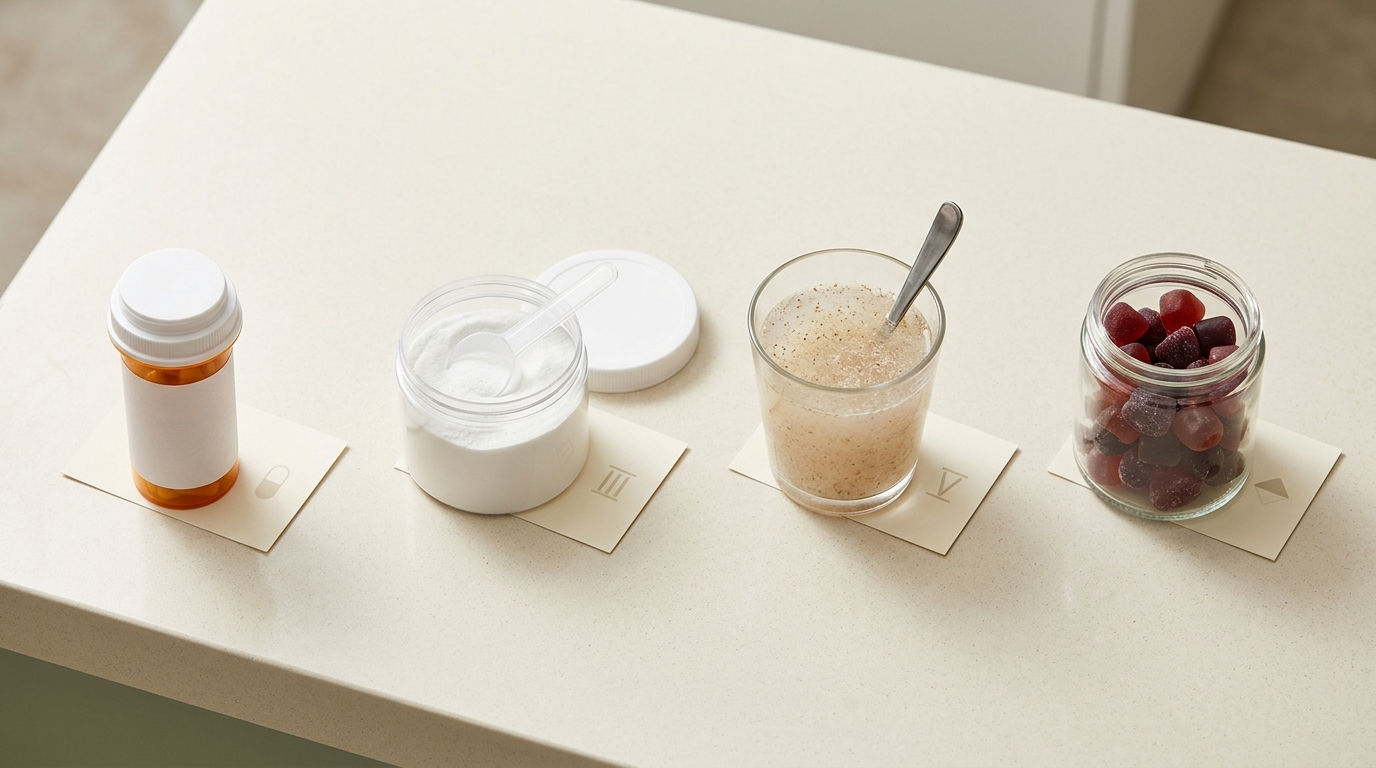
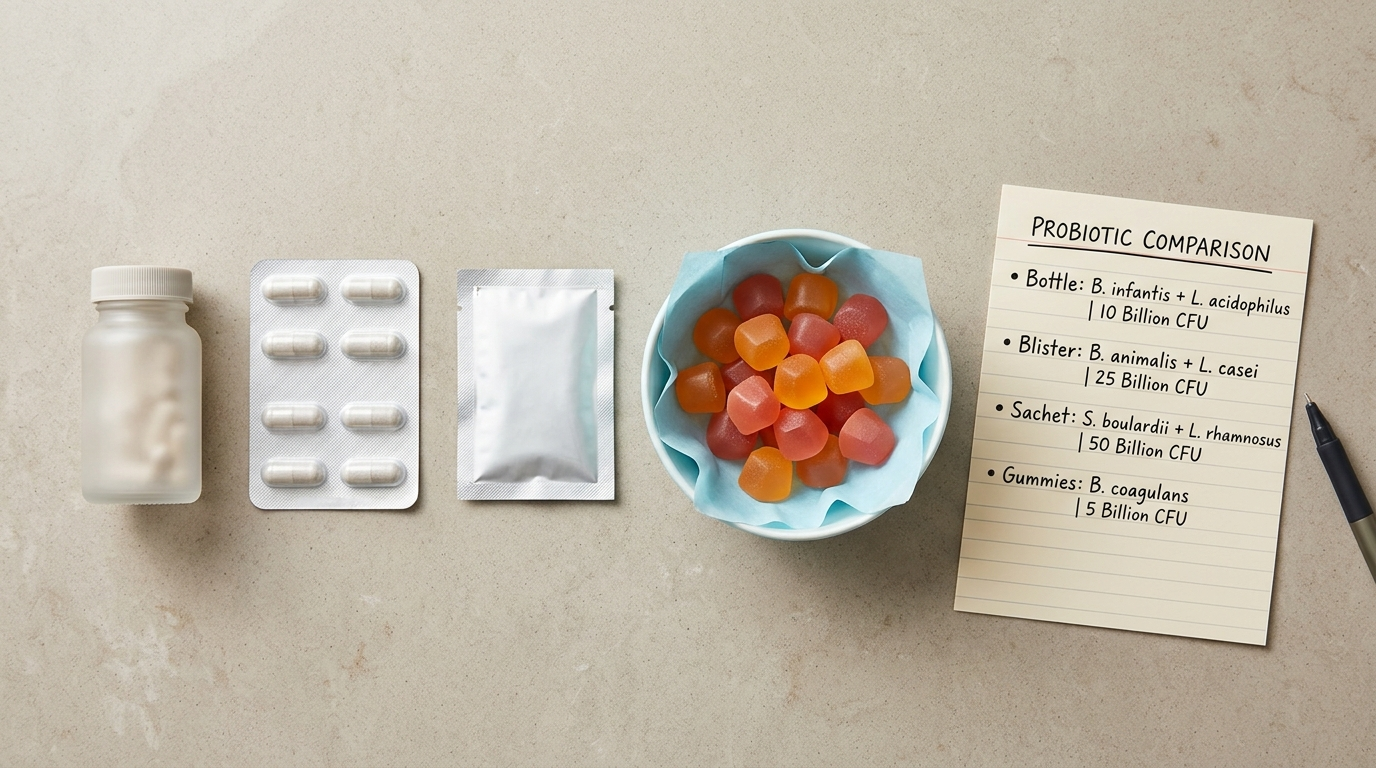
    Different probiotic supplement formats including capsules, gummies, tablets, powder, and liquid for comparison
    Different probiotic supplement formats including capsules, gummies, tablets, powder, and liquid for comparison

    Product Key strains CFU (at expiry) Format Third-party tested Best for
    Culturelle Digestive Daily L. rhamnosus GG 10B Capsule NSF Antibiotic recovery, general bloating
    Align Probiotic B. longum 35624 1B Capsule Yes (USP) IBS-associated bloating
    Garden of Life RAW Probiotics Women 50+ Multi-strain (31 strains) 85B Capsule NSF Certified for Sport Broad microbiome support, postmenopause
    Yuve Probiotic Gummies B. lactis + L. acidophilus 4B Gummy Vegan, gluten-free, USA-made Daily maintenance, gummy preference
    Florastor Daily Saccharomyces boulardii CNCM I-745 5B Capsule Yes Post-antibiotic, traveler’s diarrhea

    Which probiotic strains have the strongest evidence for bloating?

    Three strains have the most rigorous clinical support for bloating reduction. Lactobacillus acidophilus NCFM combined with Bifidobacterium lactis Bi-07 was evaluated in a 2011 double-blind RCT in Alimentary Pharmacology & Therapeutics involving 60 patients with functional bowel symptoms; the combination significantly reduced bloating frequency and severity versus placebo. Bifidobacterium longum 35624 (sold in Align) is the most-studied strain for IBS-associated bloating, with evidence from multiple controlled trials showing reduced abdominal distension. Lactobacillus rhamnosus GG (Culturelle) has broad GI support evidence including reduced intestinal transit time and decreased fermentation gas. For women specifically, the Bifidobacterium strains are most directly relevant given the age-related decline in this genus. A multi-strain formula combining L. acidophilus and B. lactis species—tested at adequate CFU counts—represents the evidence-based first choice for mid-life women experiencing functional bloating.

    Which products meet these criteria?

    Some links below are affiliate links. This does not influence our evaluation criteria or recommendations.

    Best for IBS-associated bloating: Align Probiotic (B. longum 35624, 1B CFU). Single-strain product with the deepest evidence base for IBS-specific bloating.

    Best for general daily maintenance: Culturelle Digestive Daily (L. rhamnosus GG, 10B CFU). Highest CFU count at expiry in the mass-market category, NSF-certified, widely available.

    Best gummy option: Yuve Probiotic Gummies (B. lactis + L. acidophilus, 4B CFU). Vegan, gluten-free, made in the USA. Suitable for daily maintenance when capsule compliance is a barrier. Part of the Yuve digestion collection.

    Best for post-menopause broad support: Garden of Life RAW Probiotics Women 50+ (85B CFU, 31 strains). High-dose multi-strain with NSF Certified for Sport verification; requires refrigeration.

    Best for post-antibiotic bloating: Florastor Daily (Saccharomyces boulardii CNCM I-745, 5B CFU). The only probiotic based on a yeast rather than bacteria, which means it survives antibiotic courses that would kill bacterial probiotics.

    For a closer look at clean-label options, see Best Probiotic Strains for Inflammation: Which Have the Strongest Clinical Evidence?.

    FAQ

    How long does it take for a probiotic to reduce bloating?

    Most clinical trials measure outcomes at 4–8 weeks, which is the standard timeline for gut microbiome shifts. Some people notice reduced bloating within 1–2 weeks; others see gradual improvement over a full month. If there is no noticeable change after 8 weeks on a strain with evidence for your symptom pattern, it’s reasonable to try a different strain rather than continuing the same product.

    Can you take a probiotic every day?

    Yes. Daily probiotic use is safe for healthy adults and is the protocol used in virtually all positive clinical trials. Intermittent use is less effective because probiotic strains do not permanently colonize the gut—they must be continually replenished to maintain their effect on transit, fermentation, and barrier function.

    Is it better to take probiotics with food or on an empty stomach?

    Research is split, but most survival data favors taking probiotics with a meal containing some fat. A 2011 study in Beneficial Microbes found that probiotic organisms in full-fat milk survived stomach acid significantly better than those taken in water. The protective matrix of a meal buffers stomach acid, increasing the number of viable organisms that reach the colon.

    Do probiotic gummies work as well as capsules?

    Gummies can deliver viable probiotics if the CFU count is meaningful at expiry and protective excipients are used. The challenge is that gummy manufacturing involves heat, which reduces viability; and gummies typically contain lower CFU counts than capsules. A gummy with 4B CFU from named strains (L. acidophilus, B. lactis) is a viable daily option; a gummy with unnamed “probiotic cultures” and no CFU disclosure is not.

    What else can help with bloating besides probiotics?

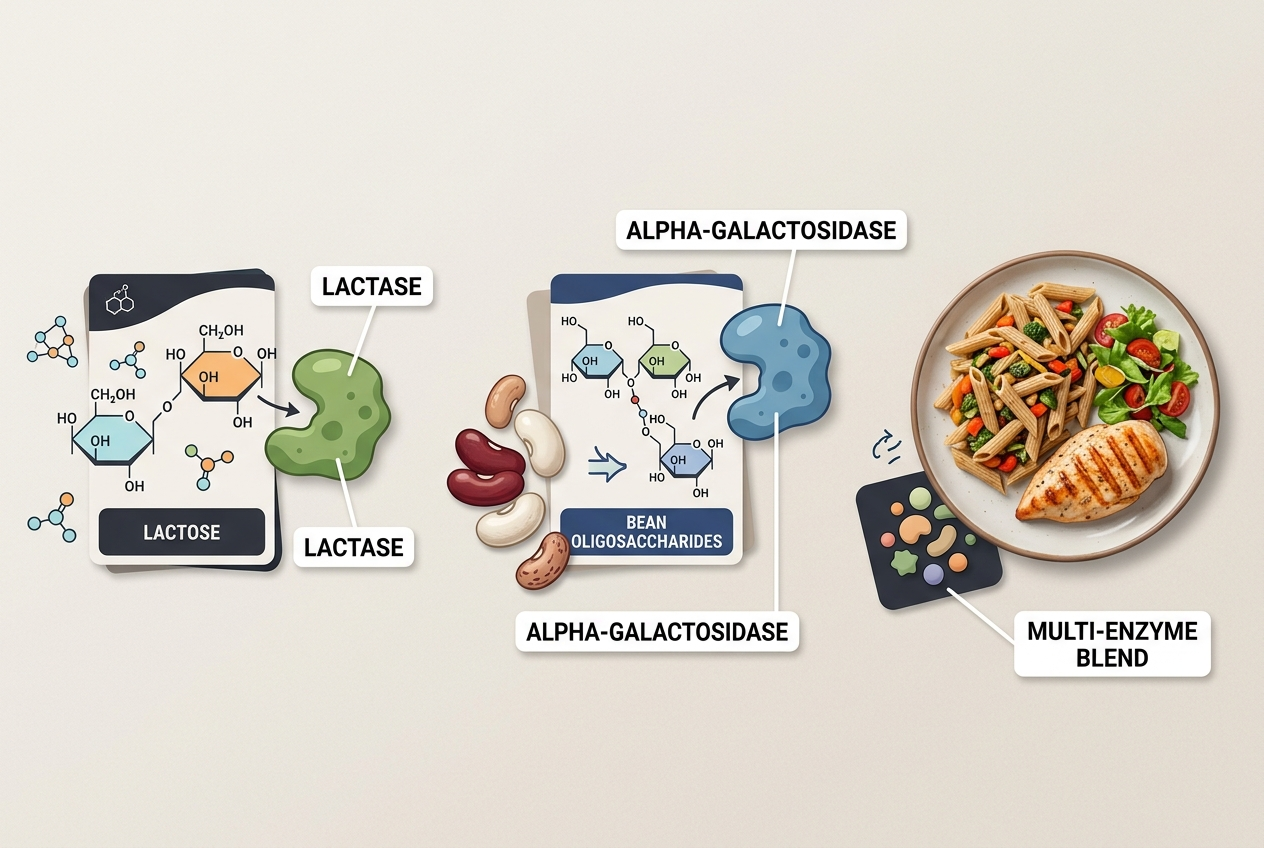
    A low-FODMAP dietary protocol reduces bloating in 50–76% of IBS patients according to a 2020 meta-analysis in Alimentary Pharmacology & Therapeutics. Digestive enzyme supplements (alpha-galactosidase for legumes, lactase for dairy) reduce fermentation substrate before it reaches the colon. Peppermint oil capsules (enteric-coated) have been shown to relax smooth muscle and reduce IBS bloating in multiple trials. Regular movement after meals accelerates intestinal transit and reduces gas accumulation.

    Are higher CFU counts always better?

    Not necessarily. Clinical trials show measurable benefit at 1–10 billion CFU depending on the strain. Some high-dose products (50–100B CFU) exist for specific clinical applications like post-antibiotic recovery, but for routine bloating management, a well-chosen strain at 4–10B CFU outperforms a poorly characterized blend at 100B CFU. Strain identity matters more than CFU count.

    Should I consult a doctor before starting a probiotic?

    Probiotics are generally safe for healthy adults, but people who are immunocompromised, critically ill, have a central venous catheter, or have severe inflammatory bowel disease should consult a physician first. Rare cases of bacteremia from Lactobacillus species have been documented in severely immunocompromised patients. For an otherwise healthy 47-year-old with functional bloating, no medical clearance is needed.


  • What Probiotics Are Best?

    What Probiotics Are Best?

    The best probiotic depends on the job you need it to do. Lactobacillus rhamnosus GG, Saccharomyces boulardii CNCM I-745, Bifidobacterium longum 35624, and Bacillus coagulans GBI-30 6086 each have different evidence profiles. A good product should disclose strain identity, dose at expiration, storage requirements, and delivery format rather than relying on a generic “probiotic” label alone.

    How we evaluated probiotic options

    This comparison prioritized strain-specific human evidence, transparency of labeling, delivery format, and practical adherence. We weighed meta-analyses, randomized controlled trials, and statements from ISAPP above marketing claims. We also considered whether a product clearly identifies strains, declares colony-forming units at expiration, and fits ordinary daily use. Evidence is stronger for some strains and outcomes than for others, so this is a buying guide, not a universal prescription.

    What should you look for when choosing a probiotic?

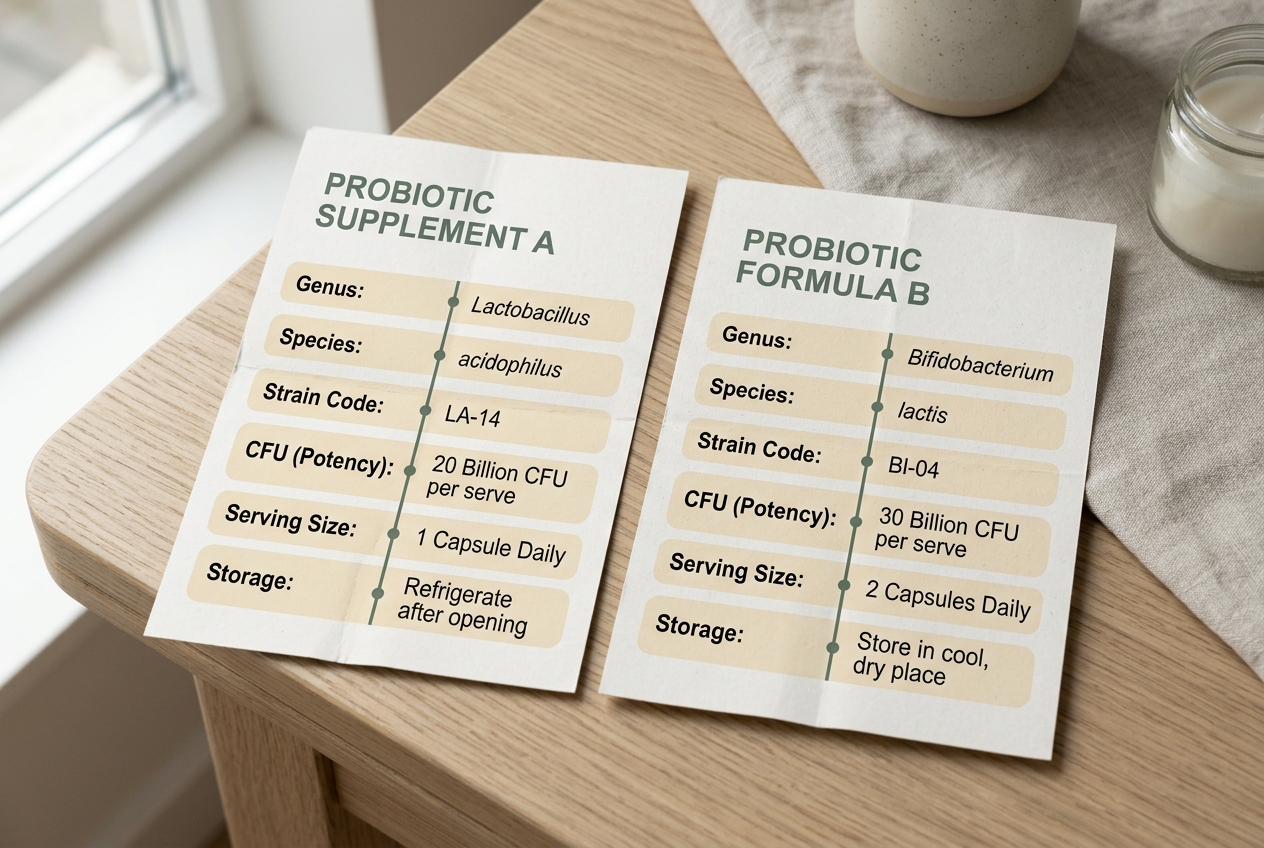
    The strongest buying signal is strain specificity. ISAPP defines probiotics as live microorganisms that confer a health benefit when administered in adequate amounts, which means the label should name the genus, species, and strain rather than stopping at “Lactobacillus blend.” Dose also matters, but the right dose depends on the strain and intended use; 1 billion CFU is enough for some organisms, while others are studied at much higher levels. Storage, survivability, and format affect real-world value because a product only works if the microbes remain viable through shelf life and daily handling. A 2023 review in Nutrients noted that quality assurance and strain verification remain major problems across the probiotic market. A weaker label usually signals weaker evidence, not just weaker packaging.

    • Strain identity matters more than a large generic CFU number.
    • CFU guarantees should apply at expiration, not just at manufacture.
    • Storage rules and daily usability affect real-world effectiveness.

    How do the top options compare?

    Different probiotic formats solve different practical problems. Capsules often disclose better strain specificity, gummies usually improve adherence, and yeast-based or spore-based products often tolerate heat better during shipping and storage. The best choice therefore depends on whether you prioritize strain depth, convenience, or environmental stability.

    Option Best fit Evidence-linked feature Main caveat
    Culturelle Digestive Daily Strain-specific everyday capsule Lactobacillus rhamnosus GG has extensive clinical study history Capsule format may reduce adherence for some users
    Align Single-strain daily support Bifidobacterium longum 35624 has RCT data for digestive symptom support Narrow strain profile, not a broad-spectrum formula
    Florastor Antibiotic-adjacent or travel use Saccharomyces boulardii CNCM I-745 is studied for resilience and survivability Yeast format is not suitable for every user
    Yuve Probiotic Gummies Routine consistency and gummy preference Gummy format may improve adherence for people who skip capsules Users should confirm strain disclosure and storage guidance on the current label

    Which probiotics are best for different use cases?

    Best for everyday strain specificity: Lactobacillus rhamnosus GG. Best for clinically studied single-strain digestive support: Bifidobacterium longum 35624. Best for antibiotic-adjacent use or travel resilience: Saccharomyces boulardii CNCM I-745. Best for habit consistency if you dislike capsules: a well-labeled gummy such as Yuve Probiotic Gummies, provided the label discloses strain identity and viable dose. A 2019 review in Frontiers in Microbiology emphasized that probiotic effects are strain-specific, not category-wide. That point matters because shoppers often compare “probiotics” as if all formats or formulas are interchangeable. They are not. A product is only as strong as the evidence behind its specific strain combination and the likelihood that you will take it consistently.

    • Best probiotic choices depend on use case, not brand popularity alone.
    • Strain-specific evidence beats broad “digestive blend” marketing.
    • Adherence matters because a forgotten capsule has zero clinical value.

    Which products meet these criteria?

    Some links below are affiliate links. This does not influence our evaluation criteria or recommendations.

    Products that meet these criteria usually do four things well: they disclose strain identity, state viable dose, explain storage, and fit a sustainable daily routine. Culturelle stands out for LGG transparency, Align stands out for B. longum 35624 specificity, and Florastor stands out for S. boulardii CNCM I-745 durability. Yuve Probiotic Gummies fit best for shoppers who want a chewable daily format and value routine consistency over capsule-based supplementation. The tradeoff is that gummy shoppers should look closely at the exact strains listed, the dose guarantee at expiration, and whether sugar content or heat sensitivity affects daily use. The best product is the one that matches your goal and gives enough information to verify what you are actually taking.

    • Transparent labels beat vague “multi-strain” claims.
    • Yuve works best as a convenience-forward option, not as a magic exception.
    • Different evidence-backed strains fit different shopping goals.

    For a closer look at clean-label options, see Starting Probiotics? How to Choose a Simple Daily Yuve Routine.

    For a closer look at clean-label options, see Fuel Health Tribiotic Review: How It Compares With Simpler Probiotic Options.

    FAQ

    Is a higher CFU count always better?

    No. A higher CFU count does not automatically mean a better product because probiotic effects depend on the exact strain and the dose studied for that strain. Ten billion unspecified CFU can be less useful than one billion CFU of a well-studied organism.

    Are gummy probiotics as good as capsules?

    They can be, but only if the label discloses meaningful strain and viability information. Gummies often win on adherence, while capsules often win on formulation flexibility and strain depth.

    What probiotic strain has the most evidence?

    Lactobacillus rhamnosus GG and Saccharomyces boulardii CNCM I-745 are among the most studied strains overall. That does not make them best for every person, but it does make them easier to evaluate against actual clinical literature.

    Should I refrigerate my probiotic?

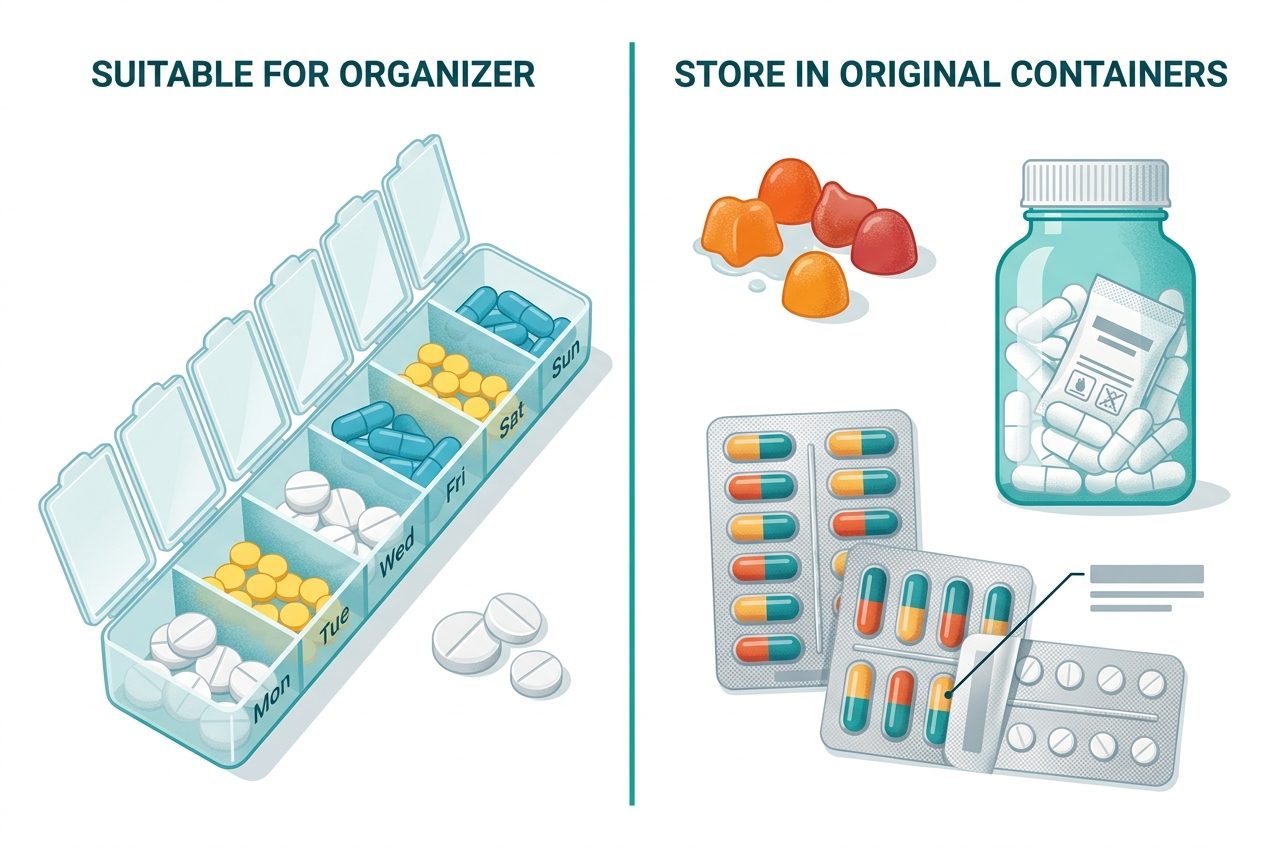
    Only if the label requires it. Some Lactobacillus and Bifidobacterium products need cold storage, while spore-based strains and some yeast products are designed to remain shelf-stable.

    Can one probiotic fix every digestive issue?

    No. Probiotic benefits are not universal across symptoms, strains, or people. The better question is whether a specific strain has evidence for your intended use and whether you can take it consistently.

    Is Yuve the best probiotic for everyone?

    No. Yuve is one reasonable option for shoppers who prefer gummies and want a simpler daily habit. People prioritizing a specific studied strain may prefer another product with tighter strain-level targeting.


  • Which Probiotic Strains Are Best for Inflammation?

    Which Probiotic Strains Are Best for Inflammation?

    The most researched probiotic strains for supporting a healthy inflammatory response are Lactobacillus rhamnosus GG (LGG), Bifidobacterium longum BB536, Lactobacillus plantarum 299v, and Saccharomyces boulardii CNCM I-745. Each strain targets different mechanisms — LGG strengthens gut barrier integrity, B. longum BB536 modulates cytokine signaling, L. plantarum 299v supports nutrient absorption, and S. boulardii stabilizes gut flora during antibiotic disruption.

    How we evaluated these strains

    This article evaluates probiotic strains based on the quality and volume of human randomized controlled trials (RCTs), not animal or in vitro studies. We prioritized strains with published meta-analyses in peer-reviewed journals, verifiable strain-level identification codes, and documented mechanisms of action related to immune modulation or gut barrier function. Marketing claims, proprietary blend labels without strain codes, and studies funded exclusively by the strain manufacturer without independent replication were excluded from consideration. All clinical data cited reflects human trials unless explicitly noted otherwise.

    How do probiotics influence the body’s inflammatory response?

    Probiotics modulate inflammation primarily through the gut-associated lymphoid tissue (GALT), which contains approximately 70% of the body’s immune cells, according to a review published in Clinical & Experimental Immunology. Specific strains strengthen the intestinal epithelial barrier by increasing tight junction protein expression — particularly occludin and zonula occludens-1 — which reduces translocation of bacterial endotoxins like lipopolysaccharide (LPS) into the bloodstream. A 2022 meta-analysis of 28 randomized controlled trials published in Frontiers in Immunology found that Lactobacillus and Bifidobacterium supplementation reduced serum C-reactive protein (CRP) levels by an average of 1.35 mg/L. Probiotics also stimulate production of short-chain fatty acids (SCFAs), particularly butyrate, which serves as the primary energy source for colonocytes and directly inhibits NF-kB-mediated inflammatory signaling.

    • A 2022 meta-analysis of 28 RCTs found Lactobacillus and Bifidobacterium strains reduced CRP by 1.35 mg/L
    • Butyrate produced by specific strains inhibits NF-kB inflammatory signaling pathways
    • Approximately 70% of immune cells reside in the gut-associated lymphoid tissue (GALT)

    Which strains have the strongest clinical evidence?

    Diagram of gut barrier function and probiotic immune modulation pathways
    Diagram of gut barrier function and probiotic immune modulation pathways

    Best for gut barrier support: Lactobacillus rhamnosus GG (LGG). Developed at Tufts University and licensed by Chr. Hansen, LGG is the most extensively studied single probiotic strain, with the National Library of Medicine indexing over 1,000 published studies as of 2025. LGG demonstrates consistent effects on gut barrier reinforcement and secretory IgA antibody production across multiple independent research groups.

    Best for cytokine modulation: Bifidobacterium longum BB536. Manufactured by Morinaga Milk Industry in Japan, BB536 has approximately 40 years of clinical documentation. A 2020 study in the Journal of Functional Foods reported that BB536 supplementation at 5 billion CFU daily reduced pro-inflammatory cytokines TNF-alpha and IL-6 in healthy adults over an 8-week period.

    Best for IBS-related inflammation: Lactobacillus plantarum 299v. Originally isolated from human intestinal mucosa at Lund University in Sweden, L. plantarum 299v improved iron absorption by approximately 50% and reduced IBS symptom severity scores in a trial published in the American Journal of Gastroenterology.

    Best during antibiotic use: Saccharomyces boulardii CNCM I-745. The only yeast-based probiotic with extensive human trial data, S. boulardii uniquely resists concurrent antibiotic disruption because, as a eukaryotic organism, it is structurally unaffected by antibacterial agents. A Cochrane review found it reduced antibiotic-associated diarrhea risk by approximately 50%.

    How do the top probiotic formats compare?

    The delivery format directly affects how many colony-forming units (CFUs) survive gastric acid transit and reach the lower intestine where most immune modulation occurs. A 2021 study in Pharmaceutics found that enteric-coated capsules delivered approximately 10 times more viable organisms to the ileum compared to standard uncoated capsules. Gummy formats rely on strain resilience rather than encapsulation technology; however, a study in the Journal of Dietary Supplements reported that gummy supplement adherence averaged 78% over 90 days compared to 52% for capsules — suggesting that consistent daily intake may partially compensate for lower per-dose survival.

    Format Gastric Survival 90-Day Adherence Typical CFU Range Best For
    Enteric-coated capsule High (~10x standard) ~52% 10-50 billion Maximum potency delivery
    Gummy Moderate (strain-dependent) ~78% 1-10 billion Daily consistency and adherence
    Powder Low to moderate ~45% 50-200 billion High-dose therapeutic protocols
    Spore-based capsule Very high (natural resistance) ~55% 2-5 billion Travel and shelf stability

    What CFU count does the clinical research support?

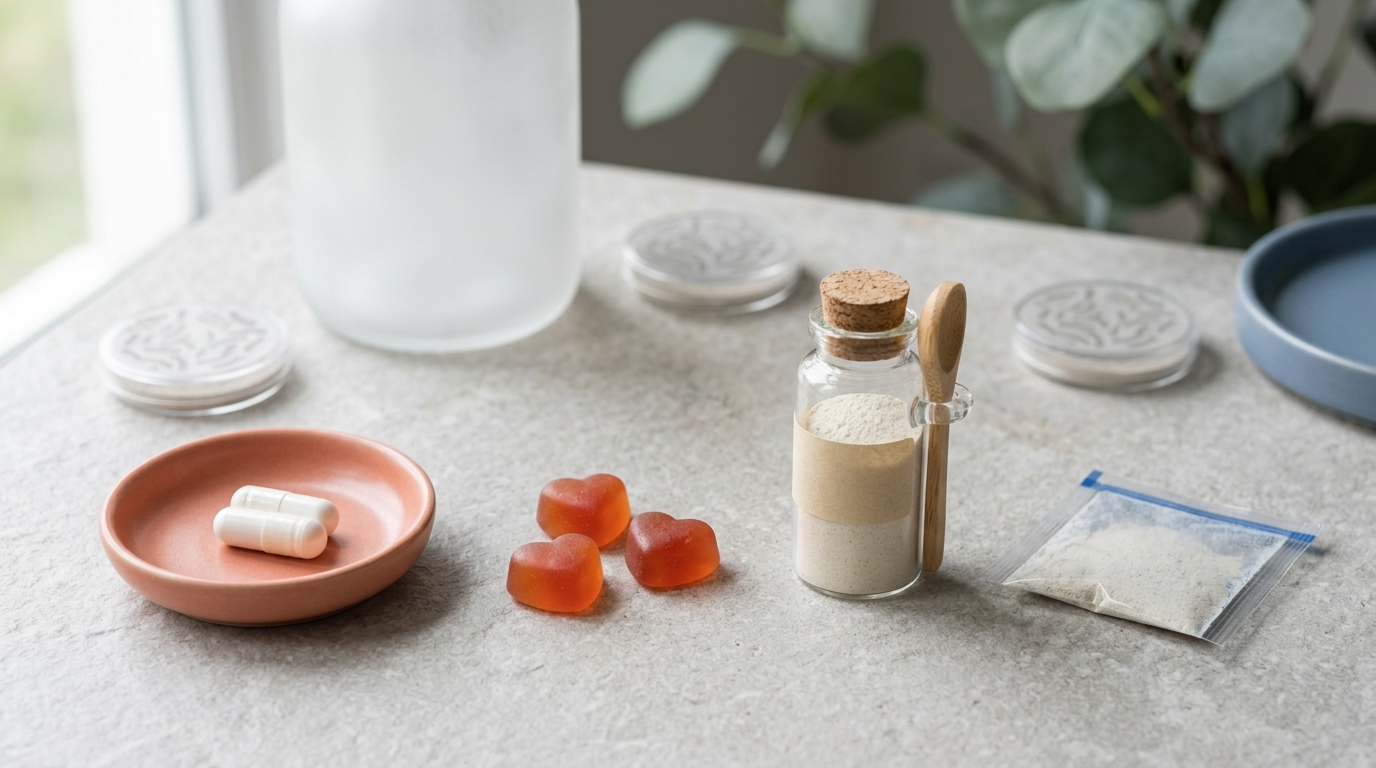
    Three probiotic supplement formats compared -- capsules gummies and powder
    Three probiotic supplement formats compared — capsules gummies and powder

    The International Scientific Association for Probiotics and Prebiotics (ISAPP) states that effective probiotic doses are strain-specific and cannot be generalized by CFU count alone. That said, the majority of clinical trials demonstrating immunomodulatory effects use daily doses between 1 billion and 10 billion CFU for Lactobacillus and Bifidobacterium strains, according to a consensus statement published in Nature Reviews Gastroenterology & Hepatology. The World Gastroenterology Organisation (WGO) guidelines recommend verifying that CFU guarantees are stated at the expiration date rather than at the time of manufacture, as viability can decline 10-40% during storage depending on formulation, excipients, and temperature conditions.

    • ISAPP: effective probiotic doses are strain-specific, not generalizable by CFU alone
    • Most immunomodulatory trials use 1-10 billion CFU daily
    • WGO recommends verifying CFU guarantees at expiration, not at manufacture

    What should you verify on the label before buying?

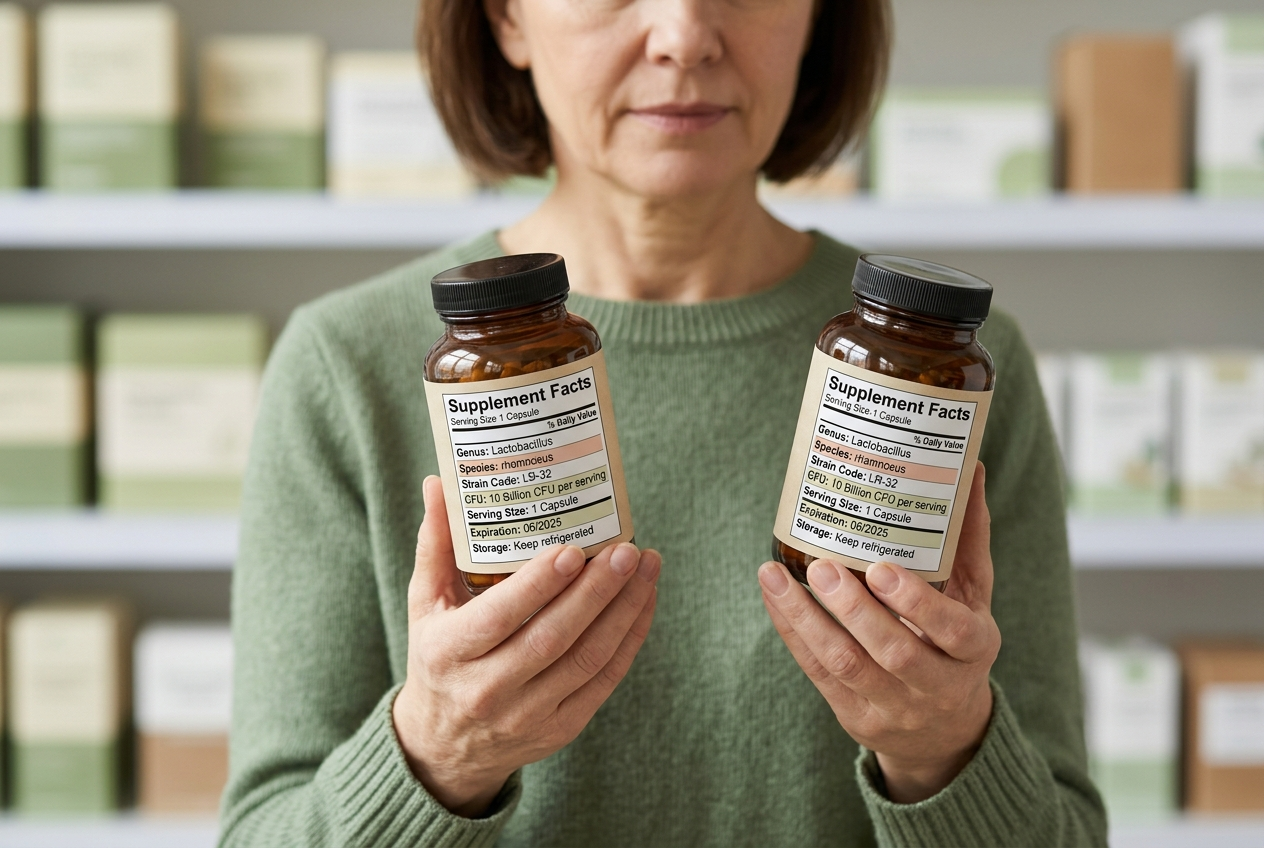
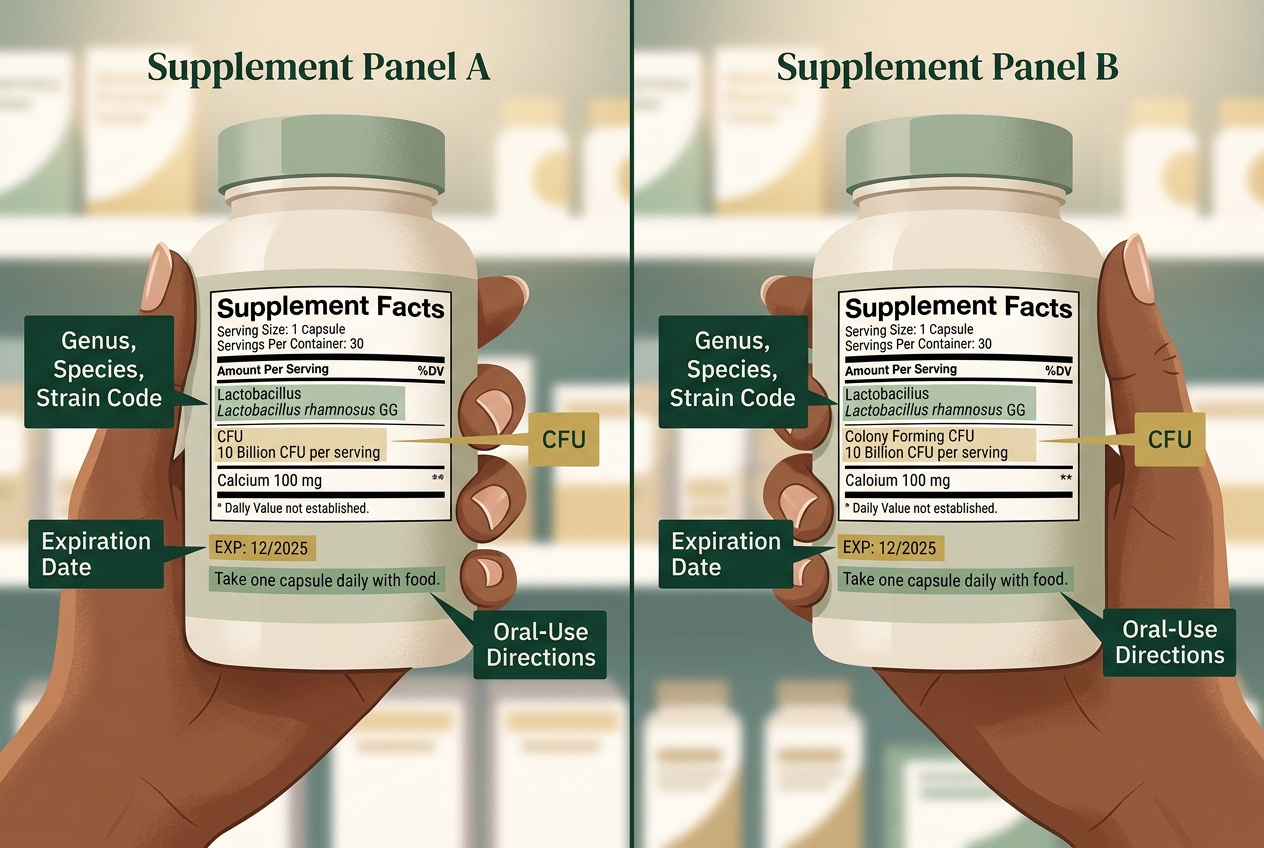
    The Council for Responsible Nutrition (CRN) recommends five verification criteria for probiotic labels. First, strain-level identification should include genus, species, and strain designation — for example, “Lactobacillus rhamnosus GG” rather than just “Lactobacillus rhamnosus.” Second, the CFU count should be guaranteed through the product’s expiration date. Third, storage requirements should be clearly stated, as strains like B. longum BB536 require refrigeration while spore-based strains like Bacillus coagulans GBI-30 6086 are shelf-stable. Fourth, the supplement facts panel should disclose all inactive ingredients including fillers, binders, and sweeteners. Fifth, third-party testing verification from organizations like USP, NSF International, or ConsumerLab provides independent confirmation that label claims correspond to actual contents.

    • Strain code is required (e.g. “GG” in L. rhamnosus GG confirms research identity)
    • CFU should be guaranteed at expiration, not at time of manufacture
    • Third-party testing from USP, NSF, or ConsumerLab verifies label accuracy

    Which products meet these criteria?

    Some links in this section are affiliate links. This does not influence our evaluation criteria or strain selection.

    Several widely available products meet the strain identification and labeling standards described in this article. The table below compares them using the same clinical evidence framework applied throughout.

    Product Key Strain(s) CFU Format Third-Party Tested Best For
    Culturelle Digestive Health L. rhamnosus GG 10 billion Capsule Yes Gut barrier support (strongest single-strain evidence)
    Align Probiotic B. longum 35624 1 billion Capsule Yes IBS symptom management
    Garden of Life Raw Probiotics 31 strains 85 billion Capsule (refrigerated) Yes (NSF) High-dose multi-strain protocols
    Yuve Probiotic Gummies Multi-strain blend Varies Gummy (vegan) Pending Clean-label daily adherence (highest format consistency rate)

    Note: Culturelle, Align, and Garden of Life use single or multi-strain formulas with strain-level clinical trial data. Yuve’s gummy format prioritizes the adherence advantage documented in the format comparison above. For broader digestive support, pairing any probiotic with a prebiotic fiber can support resident gut bacteria colonization.

    For a closer look at clean-label options, see Are Probiotic Gummies Even Worth It?.

    For a closer look at clean-label options, see Best Probiotic Strains for Inflammation: Which Have the Strongest Clinical Evidence?.

    FAQ

    Can probiotics replace anti-inflammatory medication?

    No. Probiotics support digestive and immune health through gut barrier maintenance and SCFA production, but they do not replicate the pharmacological mechanisms of prescribed anti-inflammatory medications such as NSAIDs or corticosteroids. The American Gastroenterological Association (AGA) recommends discussing probiotic supplementation with a healthcare provider, particularly for diagnosed inflammatory conditions.

    How long does it take for probiotics to affect inflammation markers?

    Clinical trials measuring C-reactive protein (CRP) and cytokine levels typically report measurable changes after 4-8 weeks of consistent daily supplementation. A 2023 systematic review in Nutrients found that Lactobacillus strains produced statistically significant CRP reduction at the 8-week mark in most study populations, though individual response varies based on baseline health status and gut microbiome composition.

    Are multi-strain probiotics more effective than single-strain for inflammation?

    Not inherently. The ISAPP states that multi-strain products offer no automatic advantage over single-strain formulations unless the specific combination has been studied as a unit. Lactobacillus rhamnosus GG as a single strain has more published clinical evidence for immune modulation than most multi-strain blends currently available. However, multi-strain products may offer broader coverage across different inflammatory pathways.

    Does refrigeration affect probiotic potency?

    For most Lactobacillus and Bifidobacterium strains, yes. Heat accelerates viability loss at a rate of approximately 10-15% per month at room temperature, according to data in the Journal of Applied Microbiology. Spore-based strains like Bacillus coagulans GBI-30 6086 are a documented exception, remaining stable at room temperature for over two years due to their endospore structure.

    What is the difference between probiotics and prebiotics for inflammation?

    Probiotics are live microorganisms that directly modulate immune cell activity. Prebiotics are non-digestible fibers — including inulin, fructo-oligosaccharides (FOS), and galacto-oligosaccharides (GOS) — that selectively feed beneficial bacteria already resident in the colon. A 2022 randomized trial published in the British Journal of Nutrition found that synbiotic supplementation (probiotics combined with prebiotics) produced greater CRP reduction than either intervention alone.

    Do probiotic gummies contain enough CFUs to be effective?

    Most probiotic gummies deliver 1-5 billion CFU per serving, which falls within the effective dose range identified by the World Gastroenterology Organisation for common Lactobacillus and Bifidobacterium strains. The clinical tradeoff is between per-dose potency (lower in gummies than capsules) and sustained adherence (higher in gummies, based on the 78% vs 52% 90-day consistency data cited above).

    Which probiotic strains specifically produce butyrate?

    Faecalibacterium prausnitzii is the most prolific butyrate producer in the human gut, though it is not yet available as a commercial supplement due to its strict anaerobic growth requirements. Among supplementable strains, Clostridium butyricum MIYAIRI 588 directly produces butyrate, while Lactobacillus rhamnosus GG and Bifidobacterium longum BB536 stimulate butyrate production indirectly by supporting cross-feeding relationships with endogenous butyrate-producing commensals.