
Digestive enzymes can make sense before a restaurant meal when a specific enzyme matches a known food trigger. Lactase targets lactose; alpha-galactosidase targets certain carbohydrates in beans. Neither covers every cause of bloating. Compare the active enzyme, label directions, and meal ingredients rather than choosing a broad blend automatically.
How did we evaluate digestive enzymes for restaurant meals?
We compared enzyme specificity, activity units, meal timing, and current manufacturer directions, using National Institute of Diabetes and Digestive and Kidney Diseases guidance to separate established lactose-digestion principles from broader claims about restaurant comfort, and treating a product label as evidence of composition rather than clinical effectiveness. We prioritized an identifiable food substrate, such as lactose or bean oligosaccharides, over the number of enzymes advertised, because a longer ingredient list does not establish that a formula matches the meal someone actually plans to order. We excluded customer testimonials, unsupported rankings, price comparisons that change with promotions, and claims that an over-the-counter supplement makes an allergen safe or replaces prescribed pancreatic enzymes. This is a label-based editorial comparison, not a head-to-head clinical trial, and individual tolerance, restaurant preparation, portion size, and underlying digestive conditions remain important limitations when interpreting any recommendation.
Which products match dairy or bean-based meals?
Some links below are affiliate links. This does not influence our evaluation criteria or recommendations.
Best for a swallowable dairy option: Lactaid Fast Act caplets. Best for a chewable dairy option: Yuve Lactase Enzymes. Best for a bean-focused comparison: Beano, whose manufacturer identifies alpha-galactosidase as its active enzyme.
| Option | Label-based match | Important limit |
|---|---|---|
| Lactaid Fast Act caplets | Lactase; 9,000 FCC per caplet; dairy lactose | Does not address milk-protein allergy |
| Yuve Lactase Enzymes | Lactase; 9,000 FCC per chewable; dairy lactose | Does not address milk-protein allergy |
| Beano | Alpha-galactosidase; certain bean carbohydrates | Not a replacement for lactase |
Equal lactase activity does not prove identical finished-product performance. Check each package for serving instructions, excipients, storage requirements, and suitability. Compare equivalent label servings before comparing cost, and avoid interpreting brand familiarity as independent evidence. None earns a universal “best digestive enzyme” ranking from these labels alone.
When should an enzyme be taken with a restaurant meal?
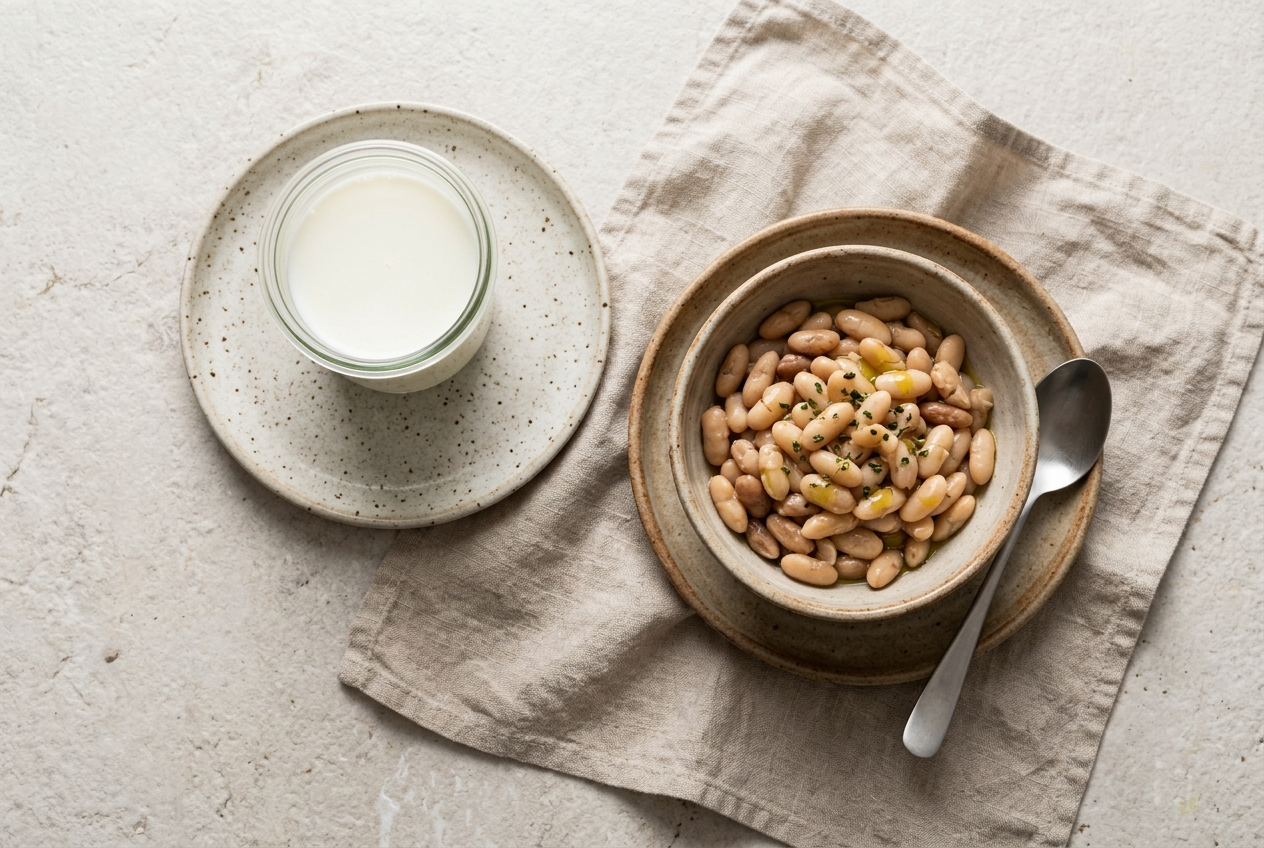
Use the selected product’s directions rather than taking an enzyme while leaving home and assuming it will cover dinner later. The practical goal is contact between the enzyme and its matching food. According to NIDDK guidance on lactose intolerance, lactase tablets can be taken before milk products; the product label supplies more specific instructions. Yuve directs one chewable immediately before the first dairy bite, while Lactaid specifies the first bite or swallow of dairy.
A delayed main course or a separate dessert introduces another timing question. Follow that product’s instructions or ask a pharmacist rather than inventing a repeat-dose schedule. Keep the original label available when carrying tablets, and follow its storage advice. At the table, confirm whether a sauce contains milk, cream, or another relevant ingredient. Enzymes are not permission to ignore uncertainty about allergens or to eat a portion that consistently exceeds personal tolerance.
How can you avoid buying an enzyme that misses the problem?
Start with the pattern, not the supplement shelf. A creamy dessert and a bean stew contain different enzyme substrates; discomfort after both meals does not establish one shared enzyme deficiency. NIDDK explains that swallowed air, carbohydrate fermentation, and digestive conditions can contribute to gas symptoms. That broader picture limits what any targeted enzyme can reasonably promise.
Compare one approach at a time with a familiar meal, if appropriate, instead of combining a new enzyme, probiotic, and fiber supplement before an important event. Record the food, portion, timing, and symptoms without treating a single good evening as proof. Ask a clinician about recurring symptoms, unintended weight loss, or a sustained change in bowel habits; severe pain, bleeding, or repeated vomiting needs prompt assessment. The digestive health collection groups different supplement categories, but a shared shelf does not make those categories interchangeable.
FAQ: What should you know before choosing restaurant enzymes?
Can lactase make dairy safe for milk allergy?
No. Lactase acts on lactose, not the milk proteins involved in allergy, so an enzyme tablet cannot replace allergen avoidance or an allergy care plan, even when the restaurant describes a dish as low in lactose.
Does alpha-galactosidase replace lactase?
No. Alpha-galactosidase and lactase act on different carbohydrates; choosing between them requires checking the meal rather than treating all gas-producing foods as equivalent, including mixtures with several potential triggers.
Is a higher enzyme count automatically better?
No. An enzyme list describes ingredients, while useful comparison requires matching substrates, activity units, directions, and personal suitability to the actual meal.
Should everyone take enzymes before eating out?
No. A restaurant reservation alone does not establish a need, and recurring unexplained symptoms deserve assessment rather than automatic supplement use before every outing, particularly when the pattern keeps changing.
What is the next step for a known dairy trigger?
Compare a suitable lactase label with a lower-lactose meal choice. Ask a pharmacist or clinician if pregnancy, childhood use, medicines, or medical conditions complicate that decision.
Leave a Reply