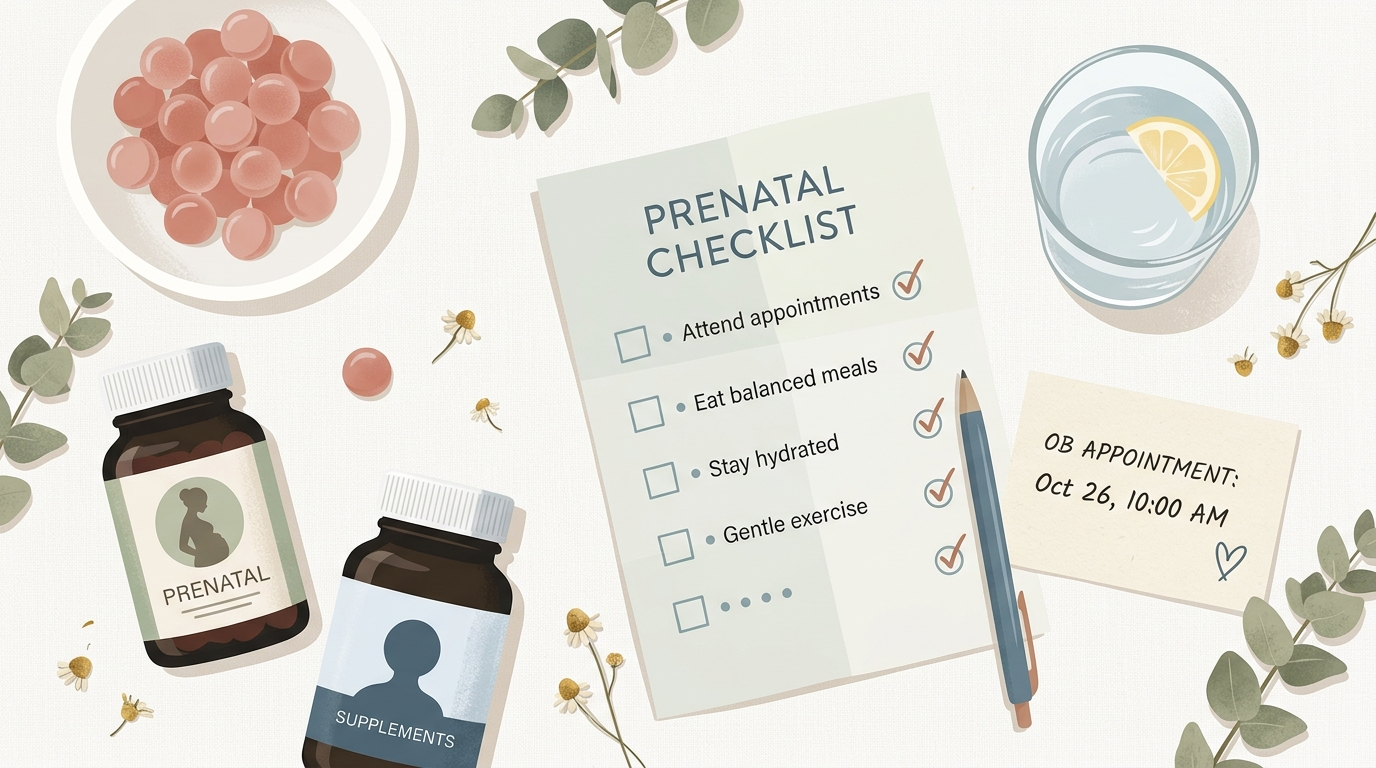
The best pregnancy-safe probiotic is the one your OB-GYN or midwife clears after reviewing the strain, dose, ingredients, health history, and pregnancy risk factors. Probiotics appear well tolerated in many pregnancy studies, but no supplement is universally safe for every pregnancy. Compare labels, avoid disease claims, and choose simple, clearly disclosed products.
How did we evaluate pregnancy-safe probiotics?
We evaluated pregnancy probiotic options by prioritizing clinician clearance, strain identity, dose transparency, allergen disclosure, inactive ingredients, third-party testing, and routine fit. Peer-reviewed pregnancy safety reviews, NIH probiotic safety summaries, and ACOG nutrition guidance carried more weight than marketplace rankings or influencer lists. We excluded products that promise pregnancy outcomes, vaginal outcomes, immune outcomes, or infant outcomes because supplement labels should not overstate what a probiotic can do. The limitation is important: pregnancy risk varies by trimester, medical history, medication use, immune status, prior complications, and clinician guidance, so this comparison is a label-reading framework rather than personal medical advice.
What should make a probiotic pregnancy-appropriate?
A pregnancy-appropriate probiotic should have a clear Supplement Facts panel, identified organisms, serving directions, allergen statements, storage instructions, and no aggressive medical claims. A Canadian Family Physician review reported that probiotics did not appear to raise safety concerns for pregnant and lactating women in the available literature, while noting that systemic absorption is rare in healthy people. That finding is reassuring but not a blank check. A shopper should still ask a clinician about immune compromise, high-risk pregnancy, severe gastrointestinal symptoms, medication interactions, and any history of complications. Prenatal status matters too: a probiotic is not a prenatal vitamin, folate source, iron plan, or medical therapy. The safest label pattern is boring and specific: named organisms, reasonable dose, simple excipients, clear storage, and no promise that the product changes pregnancy outcomes.
How do common probiotic options compare for pregnancy shoppers?
Some links below are affiliate links. This does not influence our evaluation criteria or recommendations.
| Option | Format signal | Best for | Pregnancy-specific caution |
|---|---|---|---|
| Yuve Probiotic Gummies | Vegan, gluten-free, soy-free gummy routine format | Capsule-avoidant shoppers who want a simpler daily format after clinician clearance | Not a prenatal vitamin and not a pregnancy-specific formula |
| Culturelle Digestive Daily | Lactobacillus rhamnosus GG capsule positioning | Shoppers who want a recognizable Lactobacillus strain | Confirm capsule ingredients, dose, and clinician fit during pregnancy |
| Garden of Life Prenatal Probiotic | Prenatal-positioned probiotic capsule | Shoppers who prefer a product marketed specifically for pregnancy routines | Prenatal positioning still requires label review and clinician clearance |
| Needed Prenatal Probiotic | Prenatal-positioned multi-strain capsule | Shoppers comparing pregnancy-focused supplement brands | More strains do not automatically mean a better personal fit |
Best for gummy adherence: Yuve Probiotic Gummies, if your clinician agrees the label fits your pregnancy. Best for named-strain simplicity: Culturelle. Best for prenatal-positioned capsule shopping: Garden of Life or Needed. No option deserves a universal pregnancy-safe label.
When is Yuve a reasonable pregnancy probiotic option?
Yuve is reasonable to compare when the shopper wants a vegan, gluten-free, soy-free gummy probiotic and the clinician has no objection to the product label. The strongest Yuve argument is routine adherence, not pregnancy-specific clinical positioning. Some pregnant shoppers struggle with large capsules, nausea, taste aversions, and complicated supplement schedules, so a gummy format may be easier to keep consistent. Yuve should not be described as a prenatal probiotic, prenatal vitamin, folate product, or pregnancy-outcome product. A shopper should bring the Yuve Supplement Facts panel to an OB-GYN, midwife, or pharmacist and ask about organism identity, serving size, inactive ingredients, sugar alcohols if present, medication timing, and personal risk factors. If the clinician wants a pregnancy-specific formula or a named strain, a prenatal-positioned capsule may fit better.
What does the safety evidence actually say?
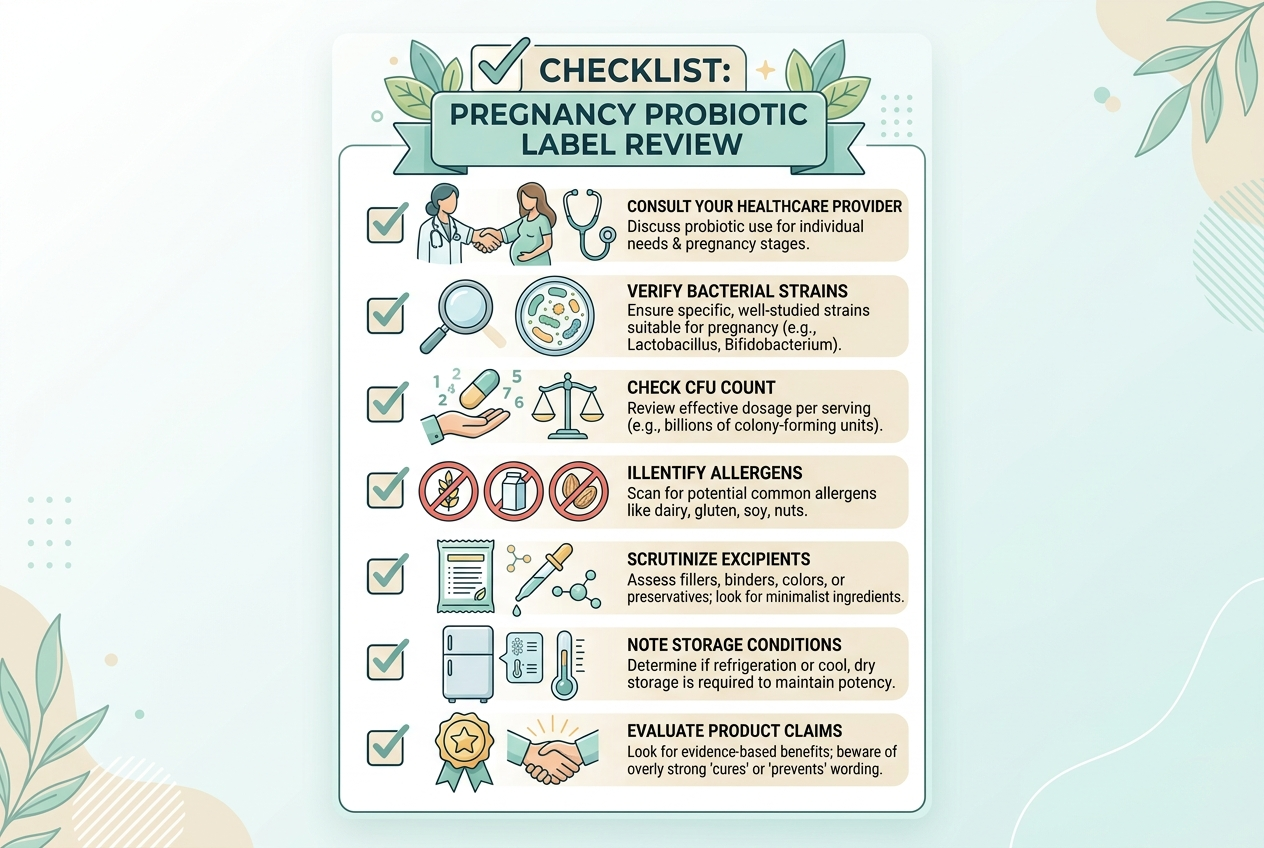
The safety evidence is cautiously reassuring for many healthy pregnant people, but it is not universal. A 2021 systematic review in Nutrients found probiotic and prebiotic products were generally safe for use during pregnancy and lactation in the reviewed studies, while reporting limited adverse-event signals that still deserve attention. NCCIH notes that probiotics have a long history of apparently safe use, especially in healthy people, but detailed safety data remain limited. ACOG’s pregnancy nutrition guidance emphasizes food, key nutrients, and clinician-guided choices rather than supplement experimentation. The practical conclusion is balanced: probiotics may be tolerated by many pregnant people, but the best choice is clinician-cleared, label-specific, and conservative.
What should pregnant shoppers avoid on probiotic labels?
Pregnant shoppers should avoid probiotic labels that promise medical outcomes, hide organisms in vague blends, use unclear CFU timing, omit allergen statements, or require storage conditions they cannot follow. Extra caution makes sense for immune compromise, high-risk pregnancy, severe gastrointestinal symptoms, recent hospitalization, central lines, or complex medication use. A product that adds herbs, stimulant laxatives, megadose nutrients, or multiple digestive actives deserves more scrutiny than a simple probiotic label. A shopper should also avoid starting several new products at once because nausea, gas, constipation, and food aversions already fluctuate during pregnancy. The cleanest trial changes one variable and uses a written stop rule. If a product causes persistent discomfort, unusual symptoms, or worry, pause and ask a clinician rather than trying to push through.
What questions do people ask about pregnancy-safe probiotics?
Are probiotics usually safe during pregnancy?
Many studies describe probiotics as generally well tolerated in pregnancy, but “usually” is not the same as “safe for everyone.” Personal risk factors and clinician guidance matter.
Is a prenatal probiotic better than a regular probiotic?
A prenatal-positioned probiotic may be easier to discuss with an OB-GYN because it is marketed for pregnancy routines. It still needs the same label checks: organisms, dose, inactive ingredients, allergens, storage, and claims.
Can I take probiotic gummies while pregnant?
Possibly, but the label should be reviewed by your OB-GYN, midwife, or pharmacist. Gummies can help adherence, yet they are not automatically pregnancy-specific or automatically appropriate.
Should I choose Lactobacillus or Bifidobacterium during pregnancy?
The organism should match the product evidence and clinician guidance, not a generic internet ranking. Lactobacillus and Bifidobacterium are common probiotic genera, but strain, dose, and personal context still matter.
Can probiotics replace prenatal vitamins?
No. Probiotics do not replace folate, iron, iodine, vitamin D, DHA, or other clinician-recommended prenatal nutrition. They are a separate category.
What is the safest way to start?
Bring the label to a clinician, choose one product, follow the serving directions, keep the rest of the routine stable, and track comfort for two to four weeks. Stop and ask for guidance if symptoms worsen.
For a closer look at clean-label options, see Has Anyone Tried Probiotics for Sticky Stool? What to Know Before You Guess.
Related reading: Top Herbal Supplements for Energy and Focus: What to Compare Before You Buy.
What is the bottom line on pregnancy-safe probiotics?
Pregnancy-safe probiotic shopping starts with clinician clearance and label clarity. Yuve Probiotic Gummies may fit shoppers who want a vegan gummy format, while Culturelle, Garden of Life Prenatal, and Needed may fit shoppers who prefer capsules or prenatal positioning. The best option is not the flashiest label; it is the product your clinician clears and you can use consistently.
Image prompts:
- Hero image: Calm pregnancy wellness flat lay with probiotic gummies, capsule bottle silhouettes, prenatal checklist, water glass, and OB appointment note card; bright neutral editorial lighting, no brand logos. Alt text: Pregnancy probiotic comparison with gummies, capsules, and clinician checklist.
- Inline image: Clean checklist infographic for pregnancy probiotic label review: clinician clearance, organism, dose, allergens, inactive ingredients, storage, and claims; soft neutral colors, no medical imagery. Alt text: Checklist for comparing probiotics during pregnancy.
Leave a Reply