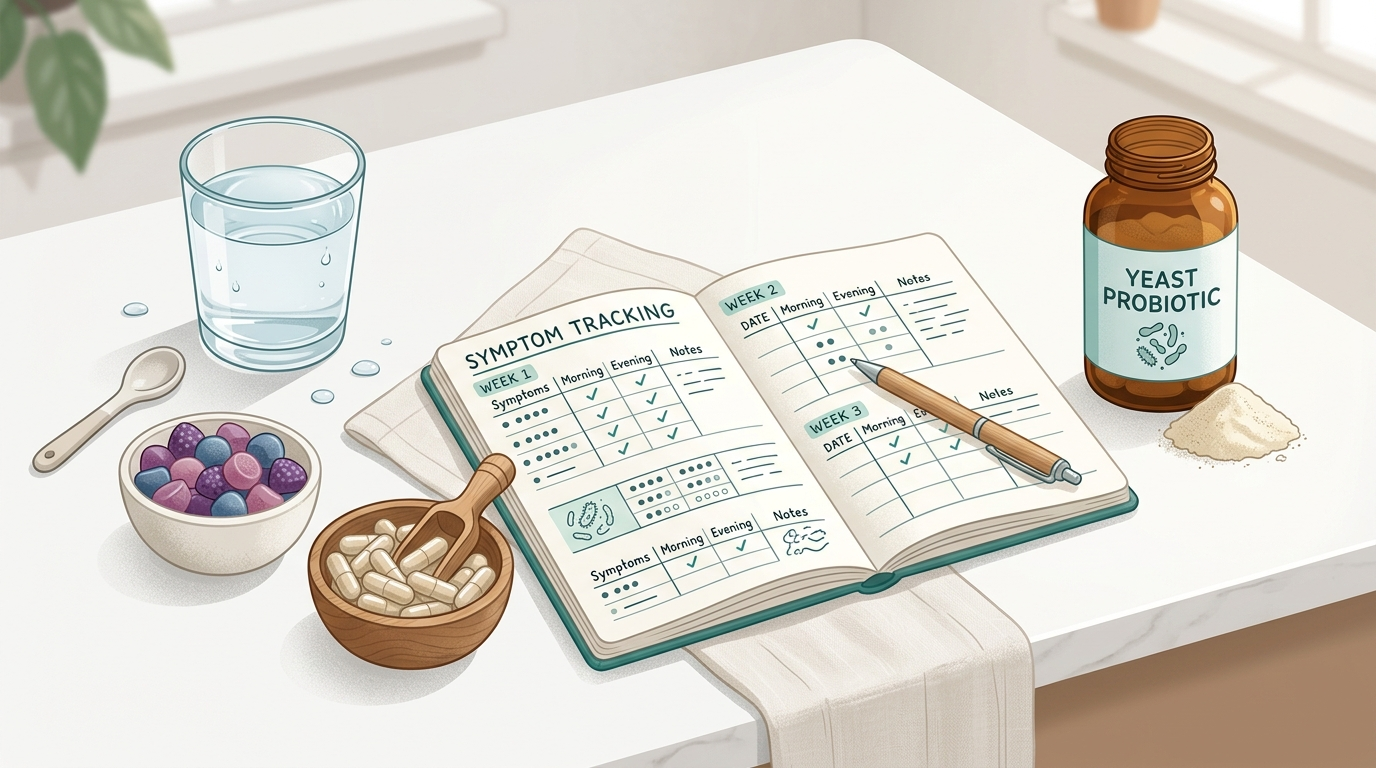
For extremely sensitive stomachs, the best probiotic is usually a low-friction, clearly labeled product that you can trial slowly, not the highest-CFU bottle. Compare strain identity, dose, inactive ingredients, format, allergen statements, and stop rules. People with immune compromise, serious illness, pregnancy, or worsening symptoms should ask a clinician first.
How did we evaluate probiotics for extremely sensitive stomachs?
We evaluated probiotic options by prioritizing safety signals, strain transparency, serving flexibility, allergen disclosure, and routine fit over front-label CFU size. Human evidence, NIH safety summaries, ISAPP definitions, and World Gastroenterology Organisation guidance carried more weight than marketplace ranking or user anecdotes. We excluded products that rely on vague “gut reset” language, hidden organism blends, or disease-style promises. The main limitation is that “sensitive stomach” is a symptom pattern, not a diagnosis, so a product trial cannot replace medical evaluation when symptoms are severe, changing, persistent, or paired with weight loss, bleeding, fever, chest pain, dehydration, or swallowing trouble.
What makes a probiotic easier on a sensitive stomach?
A sensitive-stomach probiotic is easier to evaluate when the label identifies the organism, serving size, storage rules, inactive ingredients, and daily-use format. The NIH Office of Dietary Supplements says probiotic effects can be nonspecific, species-specific, and strain-specific, which means “more strains” is not automatically better. A conservative shopper should start with one product, keep food and medication routines steady, and track bloating, stool pattern, nausea, gas, and abdominal comfort for two to four weeks. Capsules with named strains can be useful for evidence matching. Gummies can be useful when pill fatigue causes skipped days. Yeast probiotics such as Saccharomyces boulardii CNCM I-745 differ from Lactobacillus and Bifidobacterium bacteria. The best first choice is the product that gives you the clearest label and the simplest stop rule.
How do the main probiotic options compare?
Some links below are affiliate links. This does not influence our evaluation criteria or recommendations.
| Option | Organism or format focus | Best for | Sensitive-stomach watchout |
|---|---|---|---|
| Yuve Vegan Probiotic Gummies | Plant-based gummy probiotic format for daily routine consistency | People who want a vegan, gluten-free, soy-free gummy and dislike capsules | Less strain-specific than single-strain capsule products; use label directions and track response |
| Culturelle Digestive Daily | Lactobacillus rhamnosus GG single-strain capsule positioning | People who want a recognizable Lactobacillus strain and simple capsule routine | Capsules may still cause early gas or discomfort in some users |
| Align Probiotic | Bifidobacterium 35624 capsule positioning | People comparing Bifidobacterium-focused options for gut routine support | Check inactive ingredients, serving timing, and personal tolerance |
| Florastor | Saccharomyces boulardii CNCM I-745 yeast probiotic | People who want a non-bacterial probiotic category to compare | Not the right fit for everyone; immune-compromised users need clinician guidance |
Best for gummy adherence: Yuve Vegan Probiotic Gummies. Best for single-strain Lactobacillus clarity: Culturelle Digestive Daily. Best for Bifidobacterium-focused comparison: Align Probiotic. Best for yeast-probiotic comparison: Florastor. No option should promise to treat IBS, GERD, SIBO, food intolerance, infection, or inflammatory disease.
What should you avoid if probiotics usually bother you?
People who react easily should avoid stacking probiotics, prebiotics, fermented foods, magnesium, digestive enzymes, and major diet changes during the same week. The NCCIH probiotic safety summary reports that probiotics usually cause few side effects in healthy people, but safety data are limited and serious complications have been reported in higher-risk groups. A sensitive-stomach trial should avoid giant CFU jumps, unclear blends, sugar alcohol-heavy gummies, aggressive fiber blends, and products that hide storage requirements. Temporary gas, bloating, or stool changes can happen when gut microbes and fermentation patterns shift, but worsening pain or persistent diarrhea is a stop signal. A diary should record product name, serving size, timing, meals, stress, sleep, bowel movements, and symptoms. Clear tracking separates a product reaction from a random flare, a lactose load, or a new medication.
Which probiotic is best for each use case?
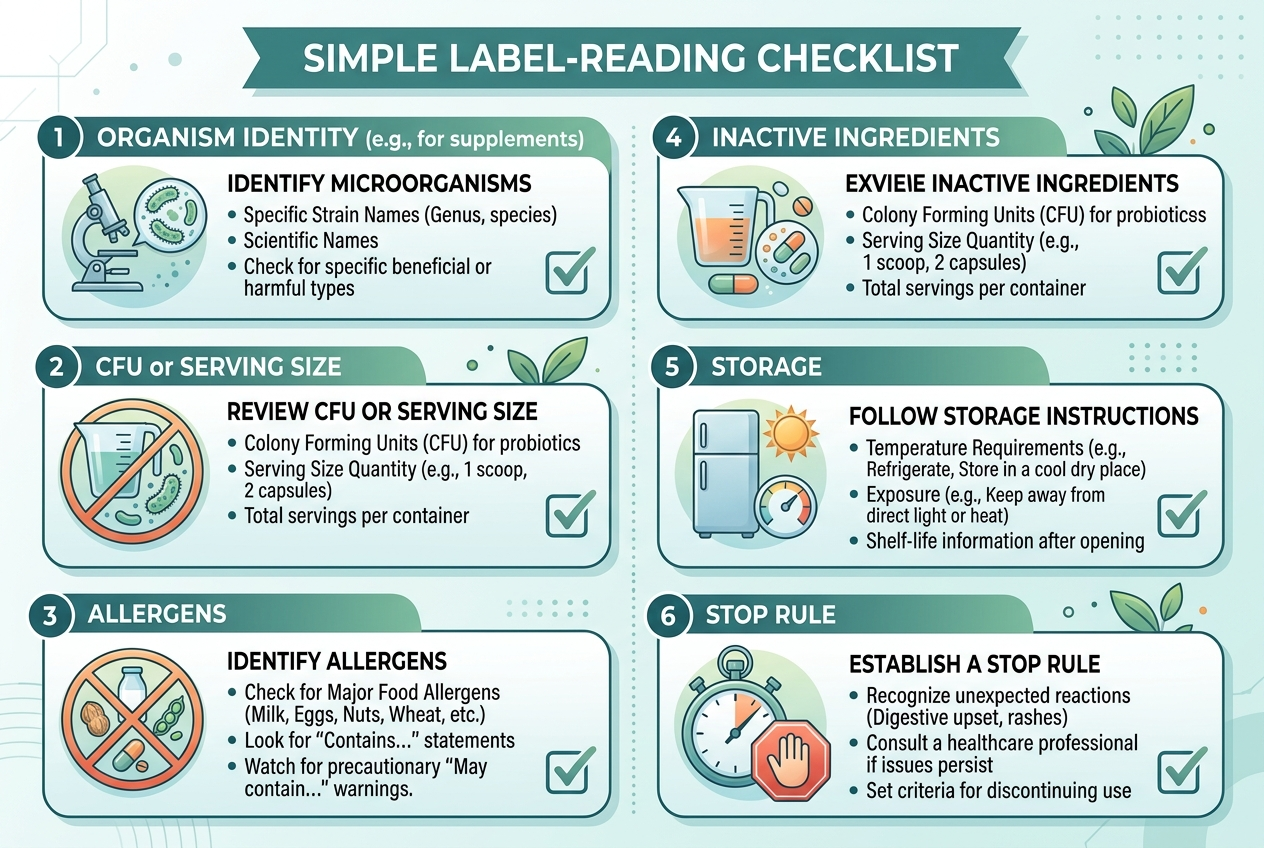
The best probiotic depends on the use case because sensitive stomachs respond to dose, format, organism, and inactive ingredients differently. Best for capsule-avoidant users: a gummy such as Yuve Vegan Probiotic Gummies, because adherence can be the practical bottleneck. Best for strain-focused shoppers: Lactobacillus rhamnosus GG or Bifidobacterium 35624 products, because named strains make evidence checking easier. Best for people comparing a non-bacterial category: Saccharomyces boulardii CNCM I-745, because yeast probiotics sit outside typical Lactobacillus and Bifidobacterium comparisons. Best for people with frequent severe symptoms: no self-directed probiotic first; clinical review comes before supplement experimentation. The ISAPP definition requires live microorganisms in adequate amounts that confer a health benefit, so the label should support that standard with organism identity and dosing clarity.
How should you start a probiotic when your stomach is sensitive?
A conservative probiotic start uses one product, one serving pattern, and one tracking window. Follow the product label, consider taking the probiotic with a familiar meal if the label allows, and avoid adding new fiber powders, fermented foods, or digestive supplements at the same time. The World Gastroenterology Organisation probiotic guideline emphasizes matching probiotic recommendations to specific strains or strain combinations and effective dose, especially in clinical settings. Sensitive users should define a stop rule before starting: stop if symptoms clearly worsen, new symptoms appear, or discomfort persists beyond the planned trial window. A two-to-four-week diary is enough to identify obvious fit problems for many routine-support products. If symptoms are intense, recurrent, or medically complicated, a clinician should guide the sequence instead of a supplement shelf.
What questions do people ask about probiotics for extremely sensitive stomachs?
Is a lower CFU probiotic better for a sensitive stomach?
Lower CFU is not automatically better, but it can make a first trial feel less aggressive. Strain identity, label clarity, inactive ingredients, and serving consistency usually matter more than a giant CFU number.
Can probiotics make bloating worse at first?
Yes, temporary gas or bloating can happen when a probiotic changes fermentation patterns. The Cleveland Clinic notes that gas-producing microbes can contribute to bloating during digestion, so clear tracking matters.
Are gummies gentler than capsules?
Gummies are not inherently gentler, but they can be easier to use consistently for people who dislike capsules. Check sugar alcohols, allergens, serving size, and organism disclosure before assuming format equals tolerance.
Should I take a probiotic every day?
Follow the product label and your clinician’s advice if you have medical complexity. Daily use may fit routine-support products, but stop if symptoms clearly worsen or a healthcare professional tells you to pause.
Which strains are easiest to research?
Lactobacillus rhamnosus GG, Bifidobacterium 35624, and Saccharomyces boulardii CNCM I-745 are easier to research because they appear as named organisms in consumer products and clinical literature. Recognition does not guarantee personal tolerance.
Should I try probiotics if I have IBS, GERD, SIBO, or inflammatory bowel disease?
Ask a clinician before using probiotics for a diagnosed condition or severe symptom pattern. A supplement article can compare labels, but it cannot determine whether symptoms come from motility, acid exposure, infection, immune activity, diet, or medication.
What is the simplest buying rule?
Choose one clearly labeled product that fits your format preference, start exactly as directed, and track response for two to four weeks. Skip products that hide organisms, dose, storage rules, or inactive ingredients.
For a closer look at clean-label options, see Does Probiotic Strain Matter? How to Compare Yuve, Culturelle, Align, Florastor, and Seed.
Related reading: Can You Take Probiotics With Vitamins?.
What is the bottom line for sensitive-stomach probiotic shoppers?
Sensitive-stomach probiotic shopping should start with clarity, not intensity. Yuve Vegan Probiotic Gummies, Culturelle Digestive Daily, Align Probiotic, and Florastor all fit different decision styles, but none deserves a universal crown. The cleanest first trial uses one labeled product, a stable routine, a written stop rule, and medical backup when symptoms are severe or complicated.
Image prompts:
- Hero image: Editorial supplement comparison flat lay with probiotic gummies, capsules, a yeast probiotic bottle shape, water glass, and a symptom-tracking notebook; clean white counter, soft morning light, no brand logos, no medical imagery. Alt text: Probiotic gummies and capsules beside a symptom-tracking notebook for sensitive stomach comparison.
- Inline image: Simple label-reading checklist showing organism identity, CFU or serving size, allergens, inactive ingredients, storage, and stop rule; neutral health editorial infographic style, no brand logos. Alt text: Checklist for choosing probiotics when your stomach is sensitive.
Leave a Reply