
Prebiotics feed beneficial gut microbes, while probiotics add live microorganisms to the routine. The better choice depends on the bottleneck. If diet diversity and fiber intake are low, prebiotics often make more sense first. If the goal is a defined daily probiotic habit, a strain-specific or format-specific probiotic can be easier to compare.
How did we evaluate prebiotics vs probiotics?
We prioritized the ISAPP consensus definition of prebiotics, the ISAPP consensus statement on probiotics, the NIH Office of Dietary Supplements probiotic fact sheet, and the NCCIH overview of probiotics. We gave more weight to human evidence, dose practicality, and routine fit than to generic “gut health” marketing language because these categories are often blurred on purpose. We also separated what prebiotics do from what probiotics do, because feeding resident microbes is different from adding live strains. We checked whether each option solves a fiber gap, an adherence problem, or a strain-selection problem, because those are different buying decisions. That difference matters when someone is choosing between Yuve Prebiotic Fiber Gummies, Yuve Probiotic Gummies, or a food-first routine.
What is the actual difference between prebiotics and probiotics?
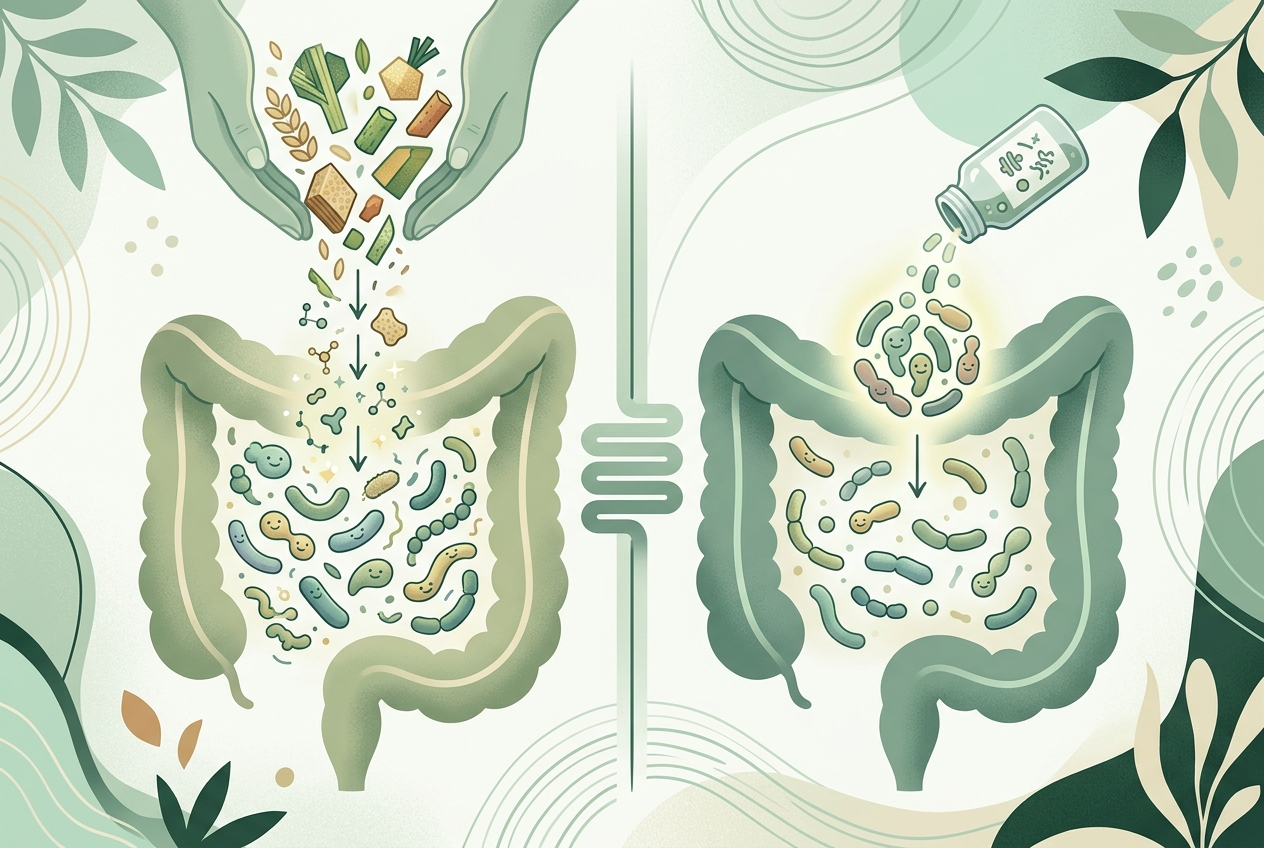
Prebiotics are substrates that beneficial microbes use, while probiotics are live microorganisms that are delivered in foods or supplements. The ISAPP prebiotic consensus defines prebiotics by selective microbial use and a health benefit, which means not every fiber automatically qualifies. Inulin, galactooligosaccharides, and some resistant starches are common prebiotic examples. Probiotics work differently. The ISAPP probiotic consensus emphasizes strain identity because Lactobacillus rhamnosus GG is not interchangeable with Bifidobacterium longum 35624. Prebiotics support the ecosystem you already have. Probiotics introduce defined strains or blends for a specific trial. One is not “natural” and the other “artificial.” They are simply different tools. If someone feels stuck, the cleanest starting question is practical. Do you need better microbial food, or do you need a more structured probiotic routine that you can actually repeat every day?
How do the main options compare for daily use?
| Option | Best for | Main strength | Main limitation |
|---|---|---|---|
| Yuve Prebiotic Fiber Gummies | Low-fiber routines | Easy fiber support | Needs gradual tolerance |
| Yuve Probiotic Gummies | Simple daily probiotic use | Low-friction adherence | Still depends on consistency |
| Fermented foods | Food-first routines | Adds variety | Harder to standardize |
| High-prebiotic foods | Meal rebuilds | Improves total diet quality | Needs planning |
The better option depends on what your week is missing: fiber exposure, probiotic consistency, or enough structure to judge either one honestly.
Which option is best for everyday use, bloating support, or routine simplicity?
Some links below are affiliate links. This does not influence our evaluation criteria or recommendations.
Best for low fiber intake, Yuve Prebiotic Fiber Gummies. Best for a simple probiotic habit, Yuve Probiotic Gummies. Best for food-first variety, fermented foods plus high-prebiotic plants. Best for people who want broader digestive support options, the Yuve digestion collection. The NIH ODS probiotic fact sheet matters here because probiotic benefits are strain specific, not category wide. The ISAPP prebiotic statement matters because prebiotics are more than “fiber with a trendy label.” If your routine is low in plants and fiber, prebiotics usually deserve attention first. If your routine is decent but inconsistent, a simple probiotic format may be easier to evaluate honestly.
What do people usually get wrong when comparing prebiotics and probiotics?
The first mistake is treating them like rivals when they often work as complements. The second mistake is starting a large fiber jump and then blaming “gut health products” when gas or bloating shows up. Fiber titration matters. The third mistake is assuming a probiotic category claim tells you everything you need to know. The NCCIH overview and NIH ODS fact sheet both support a more specific approach because strain identity, dose, and duration all matter. The fourth mistake is ignoring adherence. A theoretically perfect supplement that you never take loses to a decent product that fits the routine. The smartest comparison is not “Which buzzword wins?” It is “Which missing piece, fiber exposure or live-strain consistency, is most obvious in my current week?”
Related reading: Probiotics vs Prebiotics in Diet: What’s the Difference, Really?.
For a closer look at clean-label options, see How to Tell if Fermented Foods Actually Contain Live Cultures, and When a Probiotic Routine Makes More Sense.
For a closer look at clean-label options, see How to Come Off Nexium, and Which Daily Support Routine Makes Sense.
For a closer look at clean-label options, see Keep Going Back and Forth on Probiotics? Which Daily Routine Usually Works Better.
For a closer look at clean-label options, see Acid Rebound After Taking Pantoprazole? Which Daily Support Routine Makes the Most Sense.
For a closer look at clean-label options, see Best Supplements for Gut Barrier Support in 2025.
Related reading: Best Gluten-Free Probiotics for Gut Balance: What to Look for and How Yuve Compares.
What questions do people still ask about prebiotics and probiotics?
Should you take prebiotics and probiotics together?
Sometimes yes. They do different jobs, so some routines use both. The better move is usually to change one variable at a time so the result is easier to read.
Do prebiotics always cause bloating?
No, but a rapid dose jump can increase gas or fullness. Gradual increases usually make tolerance easier.
Are probiotic gummies less serious than capsules?
Not necessarily. Format affects adherence. A simpler format can be more useful if it makes daily use realistic.
Which one should come first?
If fiber intake is clearly low, prebiotics often deserve first attention. If consistency is the bigger problem, a daily probiotic may be easier to test.
Can food replace both categories?
Sometimes food-first changes are enough for the goal. Supplements make more sense when someone wants a more structured or repeatable experiment.
Leave a Reply