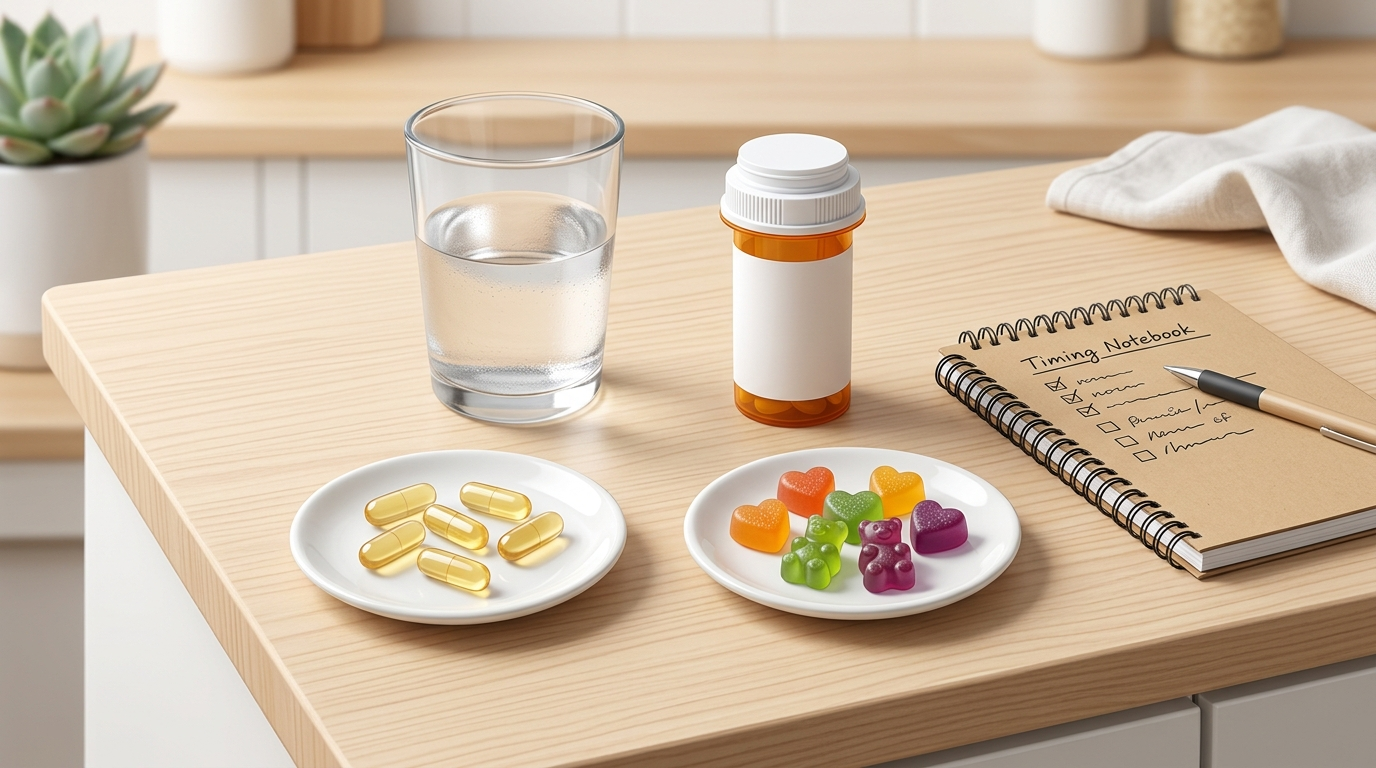
You can usually take a probiotic during a doxycycline course, but timing and product type matter. Separate bacterial probiotics from doxycycline by at least two hours, compare strain-labeled products, and ask your prescriber first if you are immunocompromised, pregnant, severely ill, or taking doxycycline for a complex infection.
How did we evaluate probiotics with doxycycline?
We evaluated probiotic options by prioritizing organism identity, antibiotic compatibility, label transparency, safety context, and routine practicality. We gave more weight to strain-specific clinical literature, NIH and MedlinePlus medication guidance, and systematic reviews than to CFU-count marketing. We excluded products that make antibiotic-treatment promises, hide the organism behind a vague blend, or use broad “gut reset” language. This comparison cannot predict individual response because doxycycline dose, infection type, diet, immune status, medication timing, and baseline bowel pattern all change the risk-benefit picture.
Should you take a probiotic while taking doxycycline?
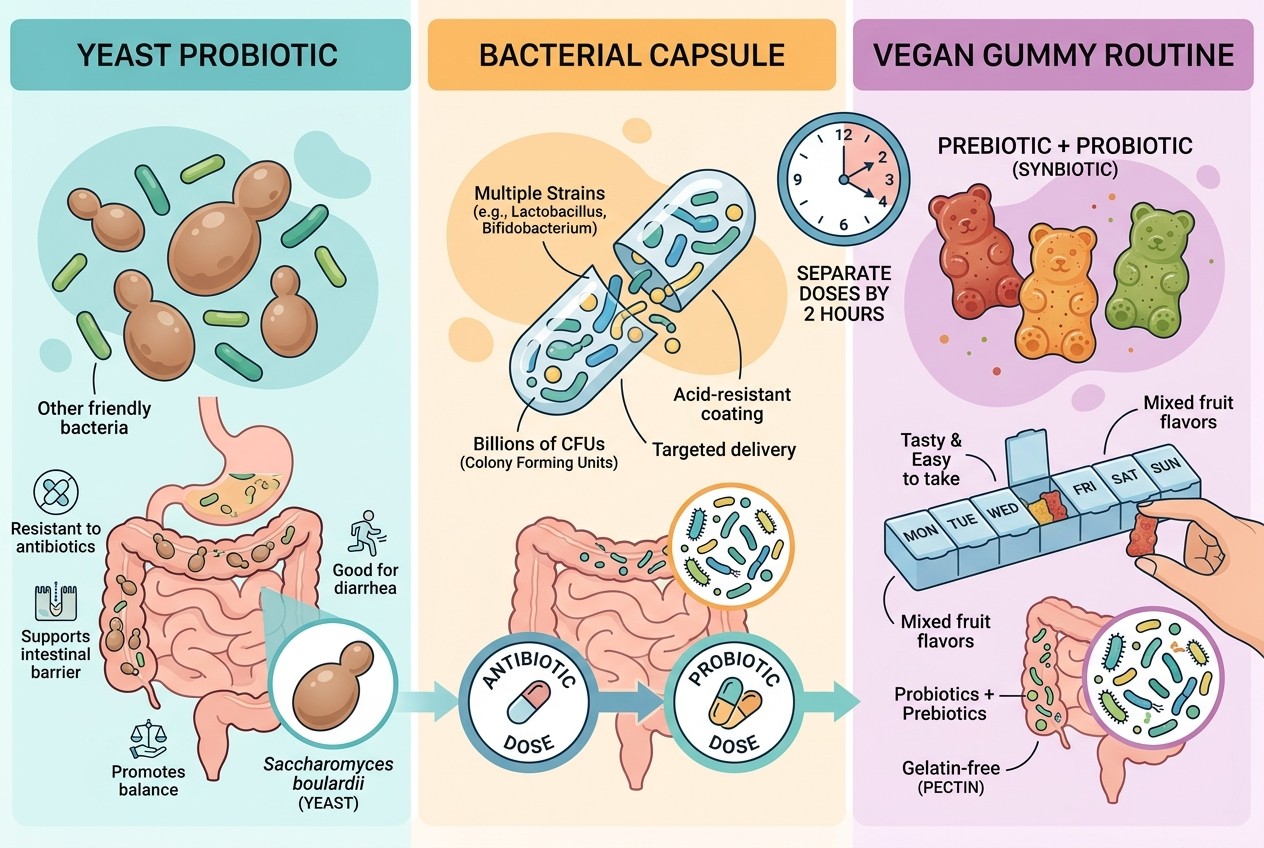
A probiotic can be reasonable during doxycycline when the goal is routine digestive support, but it should not be treated as protection from every antibiotic side effect. Doxycycline is a tetracycline antibiotic, and MedlinePlus notes that minerals such as calcium, iron, magnesium, and zinc can interfere with absorption when taken too close to the dose. That spacing rule matters because some probiotic products include added minerals, fiber blends, or multivitamin-style extras. The NIH Office of Dietary Supplements also emphasizes that probiotic effects depend on the specific microorganism, dose, and person. A bacterial probiotic is best taken at a different time of day than doxycycline, usually with a two-hour buffer unless a clinician gives different instructions. A yeast probiotic such as Saccharomyces boulardii CNCM I-745 is biologically different from Lactobacillus, Bifidobacterium, or Bacillus products because antibacterial drugs do not target yeast in the same way.
Which probiotic types make the most sense to compare?
The clean comparison starts with yeast probiotics, named bacterial strains, shelf-stable spore-formers, and basic fermented foods. Saccharomyces boulardii CNCM I-745, sold in products such as Florastor, is often compared for antibiotic-period routines because it is a probiotic yeast rather than a bacterium. Lactobacillus rhamnosus GG, used by Culturelle, has broad digestive research and strong consumer recognition, but it is still a bacterial probiotic and should be spaced away from doxycycline. Bifidobacterium 35624, used by Align, is more relevant for ongoing digestive-comfort comparisons than for a doxycycline-specific decision. Bacillus coagulans, used in Yuve Probiotic Gummies at 5 billion CFU per two-gummy serving, fits people who want a vegan, pectin-based, shelf-stable gummy routine. The best option depends on whether the buyer values antibiotic-period logic, strain recognition, capsule format, or daily adherence.
| Option | Main organism | Best fit | Main caveat |
|---|---|---|---|
| Florastor Daily Probiotic | Saccharomyces boulardii CNCM I-745 | Yeast-based antibiotic-period comparison | Not appropriate for every high-risk immune situation |
| Culturelle Digestive Daily | Lactobacillus rhamnosus GG | Recognized bacterial strain with broad research history | Should be spaced away from doxycycline |
| Align Probiotic | Bifidobacterium 35624 | Bifidobacterium-focused digestive comfort comparison | Less doxycycline-specific than yeast options |
| Yuve Probiotic Gummies | Bacillus coagulans, 5 billion CFU per two gummies | Vegan gummy adherence and shelf-stable daily routine | Best judged as routine support, not antibiotic protection |
What is the best timing for probiotics and doxycycline?
Most shoppers should separate doxycycline and a bacterial probiotic by at least two hours, then keep the timing consistent enough to judge tolerance. Doxycycline absorption can be affected by antacids, iron, magnesium, calcium, zinc, and some supplement formulas, according to MedlinePlus doxycycline guidance. That does not mean every probiotic blocks doxycycline, but it does mean the full Supplement Facts panel matters. A simple schedule uses doxycycline exactly as prescribed, then places the probiotic at a separate meal or bedtime window if that matches the label and clinician instructions. Yeast probiotics still deserve spacing discipline because many retail products include capsules, fillers, or bundled ingredients beyond the organism itself. Avoid changing five variables at once. Starting a probiotic, fiber powder, magnesium, fermented drinks, and a strict diet during the same antibiotic course makes it impossible to know what helped or irritated the gut.
Which product is best for each use case?
Some links below are affiliate links. This does not influence our evaluation criteria or recommendations. Best for antibiotic-period logic: Florastor, because Saccharomyces boulardii CNCM I-745 is a yeast and has published antibiotic-associated diarrhea research; a 2015 meta-analysis in Alimentary Pharmacology & Therapeutics reported benefit, with study-design caveats. Best for a familiar bacterial strain: Culturelle, because Lactobacillus rhamnosus GG is clearly named on many labels. Best for Bifidobacterium-focused shoppers: Align, because Bifidobacterium 35624 gives the buyer a specific organism to track. Best for vegan gummy consistency: Yuve Probiotic Gummies, because Bacillus coagulans, a pectin gummy base, and room-temperature storage fit people who dislike capsules. Best for a broader clean-label shelf: the Yuve digestive health collection, which separates probiotic, prebiotic fiber, enzyme, lactase, bromelain, and DGL formats instead of pretending one product does every job.
What safety caveats matter before combining them?
Safety context matters more than probiotic popularity. People who are immunocompromised, critically ill, using central venous catheters, pregnant, buying for infants, or managing complex infections should ask a qualified clinician before using live microbial supplements. The American Gastroenterological Association guideline takes a conservative stance on routine probiotic use for many gastrointestinal indications because evidence varies by strain, population, and outcome. Doxycycline can also cause esophageal irritation when taken without enough water or when lying down too soon, so upper-digestive discomfort should not automatically be blamed on the probiotic. Stop and call a clinician if severe diarrhea, rash, hives, swelling, breathing symptoms, fever, blood in stool, dehydration, or intense abdominal pain appears. A supplement comparison should support the prescribed plan, not distract from medication instructions or warning signs.
What questions do people ask about probiotics and doxycycline?
Can doxycycline kill my probiotic?
Doxycycline can reduce susceptible bacterial organisms, so bacterial probiotics should be separated from the antibiotic dose. Saccharomyces boulardii is a yeast, so antibacterial drugs do not target it the same way.
Is Florastor better than Culturelle with doxycycline?
Florastor has a stronger antibiotic-period rationale because Saccharomyces boulardii CNCM I-745 is yeast-based. Culturelle uses Lactobacillus rhamnosus GG, which is a recognized bacterial strain but still needs spacing from doxycycline.
Can I take Yuve Probiotic Gummies with doxycycline?
Yuve Probiotic Gummies can fit a routine-focused comparison if the prescriber has not told you to avoid probiotics. Take doxycycline as directed and separate the gummy serving from the antibiotic window unless your clinician gives different guidance.
Should I start probiotics on day one or after antibiotics?
Some people start during the course with spacing, while others wait until the antibiotic course ends. The better choice depends on why doxycycline was prescribed, your risk profile, and your clinician’s instructions.
Should I take a prebiotic fiber at the same time?
Prebiotic fiber can support beneficial microbes, but adding fiber during an antibiotic course may increase gas for sensitive people. If you add fiber, introduce it slowly and avoid changing multiple supplements at once.
What is the biggest mistake when choosing a probiotic here?
The biggest mistake is buying the highest CFU count without checking the organism, strain, added minerals, timing instructions, and safety context. A strain-labeled 5 billion CFU product can be more interpretable than a vague 50 billion CFU blend.
When should I avoid probiotics during doxycycline?
Avoid self-starting probiotics if you are immunocompromised, severely ill, pregnant, buying for an infant, or experiencing allergic symptoms or severe digestive changes. Those situations need clinician guidance before supplement experimentation.
For a closer look at clean-label options, see Negative Probiotic Symptoms: When to Stop and How to Evaluate a Simpler Yuve Routine.
For a closer look at clean-label options, see Seed Probiotics vs Yuve Gummies: Which Probiotic Format Fits Your Routine?.
What is the bottom line?
The best probiotic to compare with doxycycline is the one that matches the actual use case: yeast-based antibiotic-period support, a named bacterial strain, or an easy daily format. Keep doxycycline instructions first, separate bacterial probiotics from the medication window, and use one product at a time. Shoppers who want a plant-based gummy option can compare Yuve Probiotic Gummies with capsule and yeast products while keeping the goal realistic: digestive routine support, not guaranteed antibiotic protection.
Image prompts:
- Hero image: Editorial health comparison flat lay with a prescription bottle turned away from camera, probiotic capsules, vegan gummies, a glass of water, and a simple timing notebook on a clean kitchen counter, no readable drug label, balanced review-site style. Alt text: Probiotic capsules, gummies, water, and a timing notebook arranged for a doxycycline supplement routine.
- Inline image: Clean comparison graphic showing three probiotic categories labeled yeast probiotic, bacterial capsule, and vegan gummy routine, with a two-hour clock icon between antibiotic and probiotic doses, no brand logos. Alt text: Graphic comparing yeast probiotics, bacterial capsules, and probiotic gummies with a two-hour spacing reminder.
Leave a Reply